
 EN
EN English
 Español
 عربى
عربى


Solar Hybrid Inverters Manufacturers
Solar hybrid inverter are intelligent energy platforms that integrate inversion, rectification, charging, and control. They not only convert power but actively manage and optimize it, forming the cornerstone of efficient, resilient, and cost-effective distributed energy systems. Our lineup features both single-phase and three-phase models, engineered for all applications, from off-grid to grid-tied.
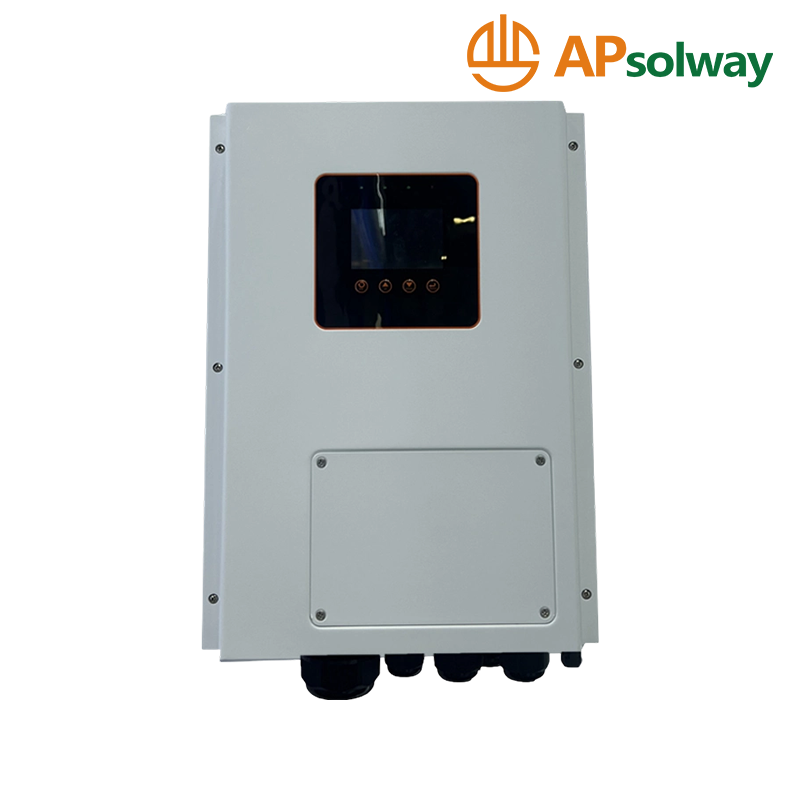
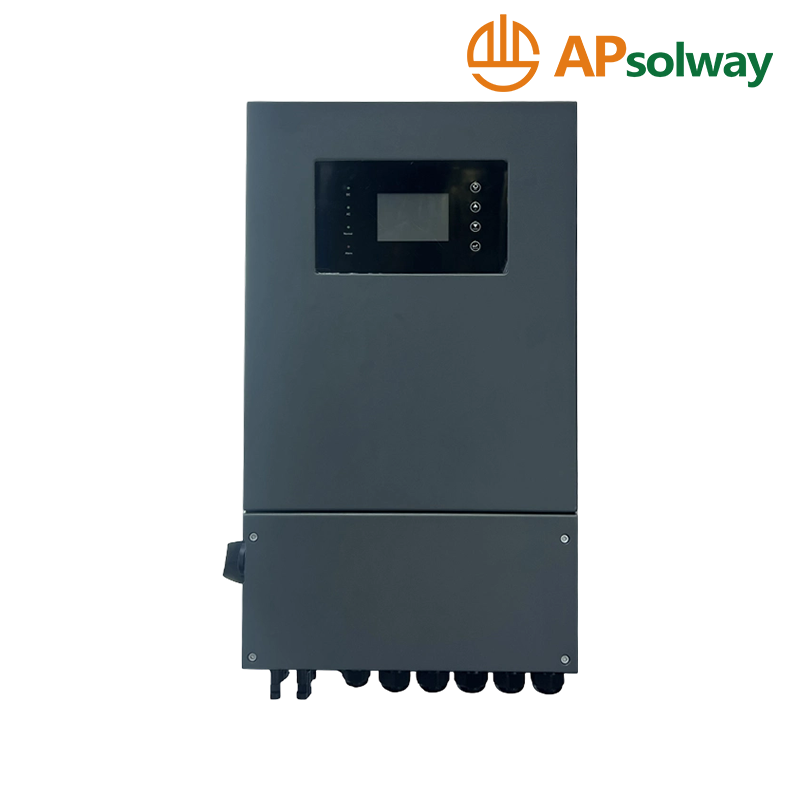
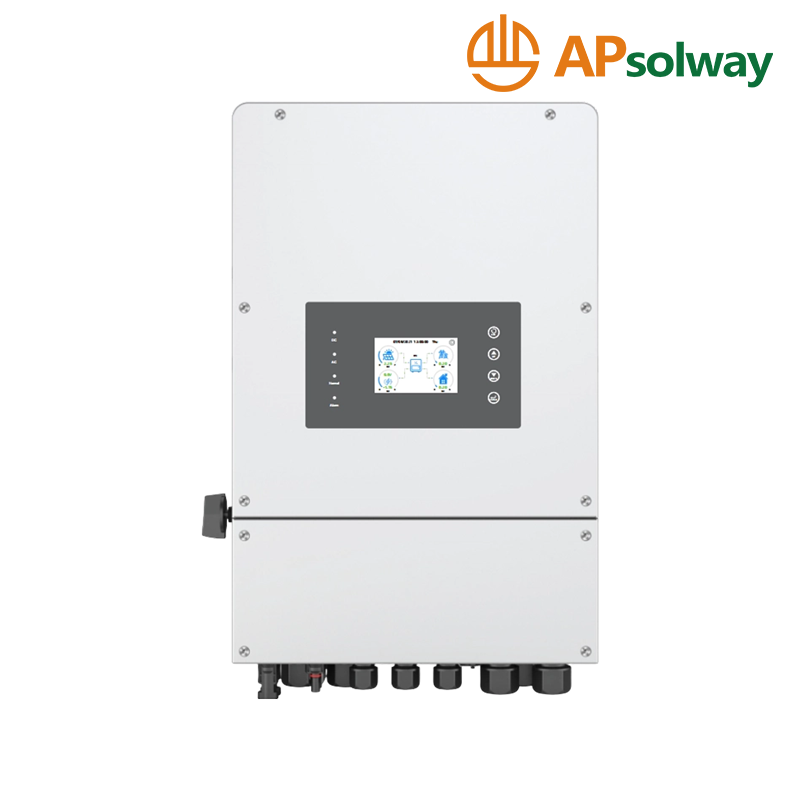
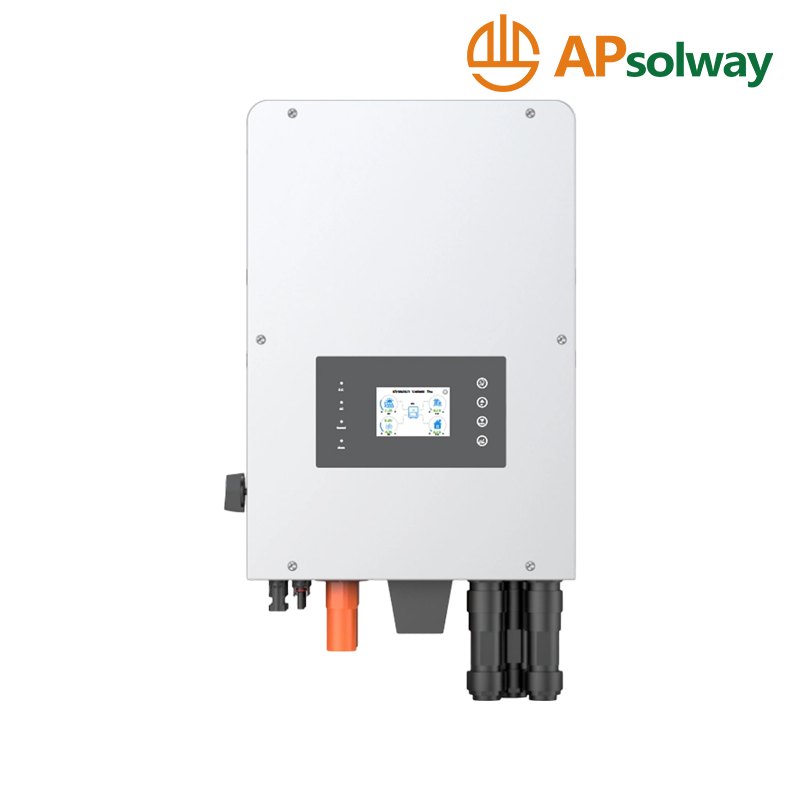
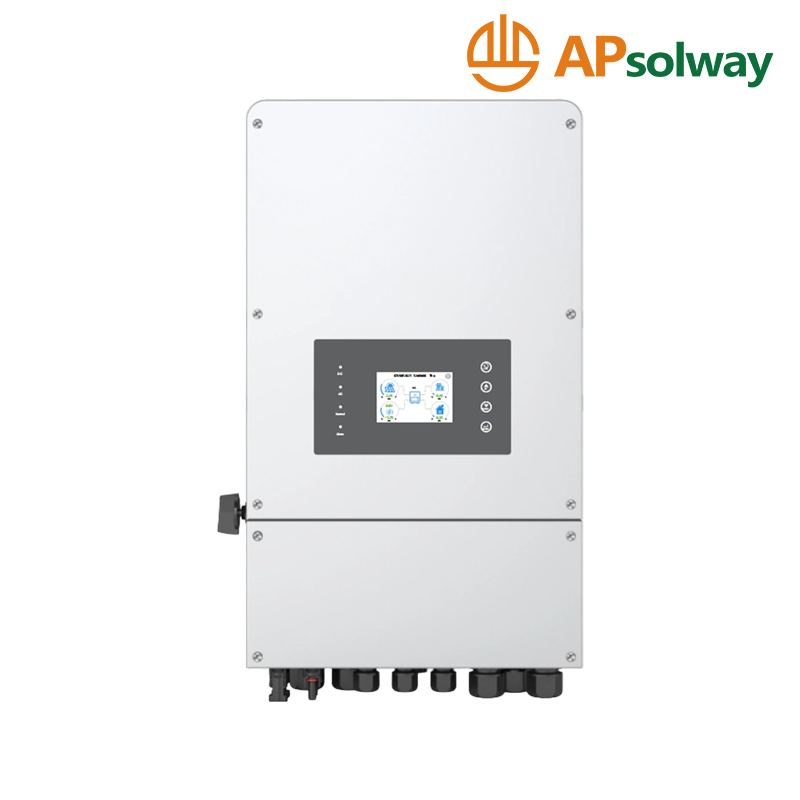
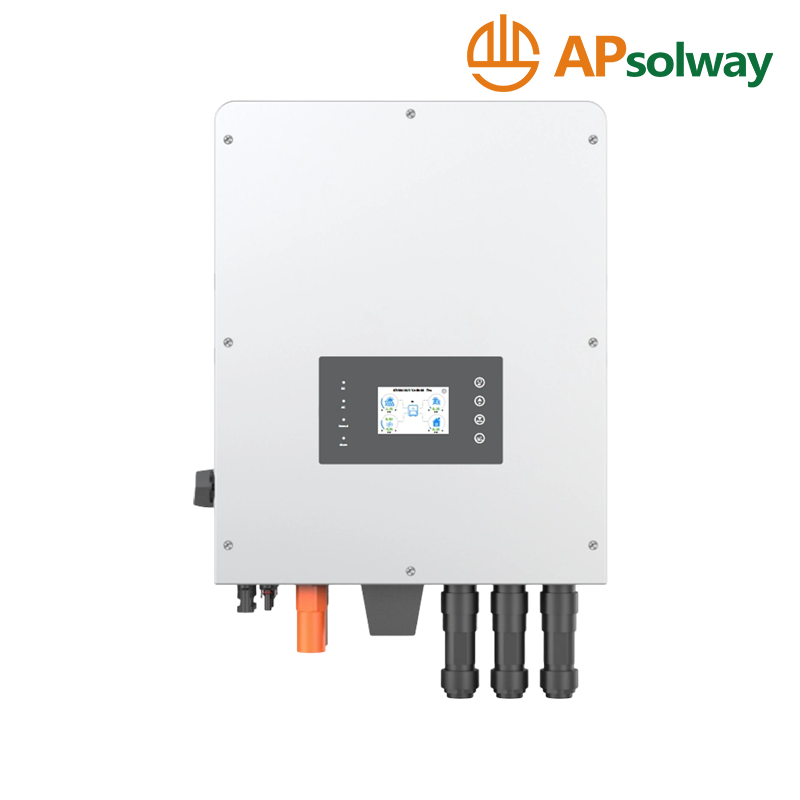
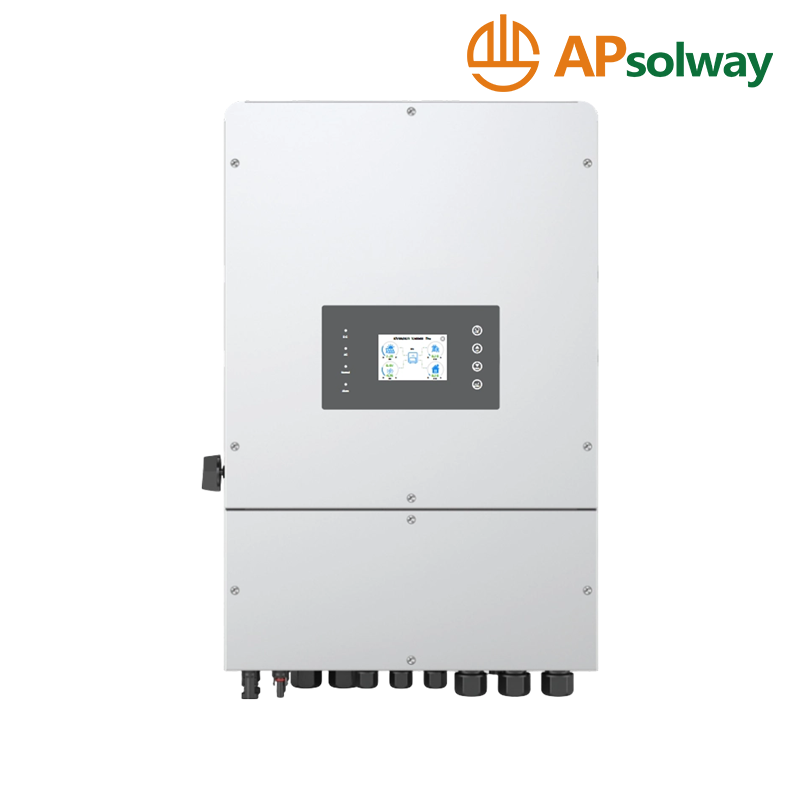
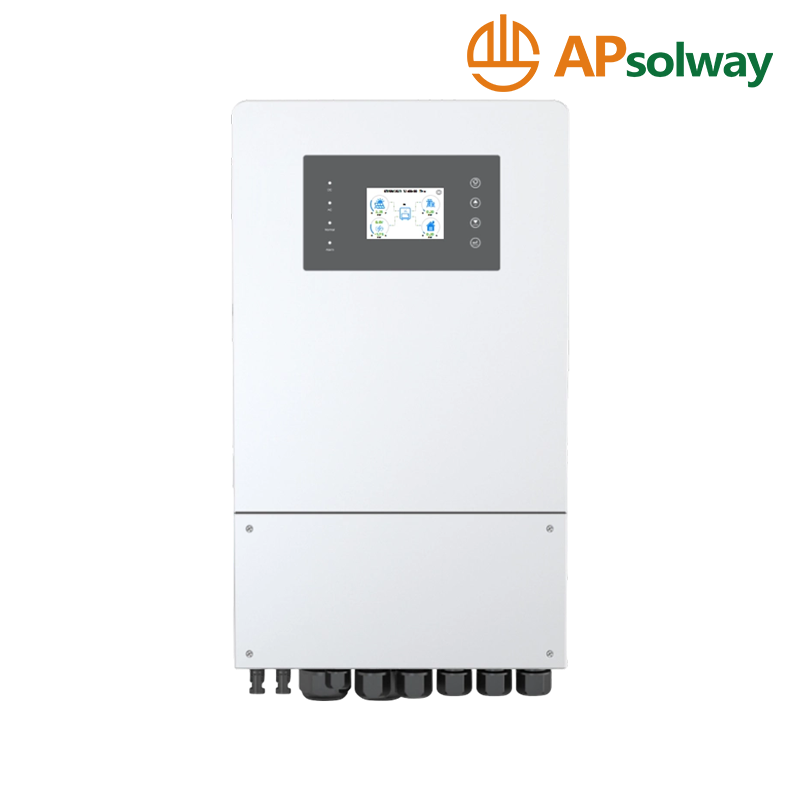
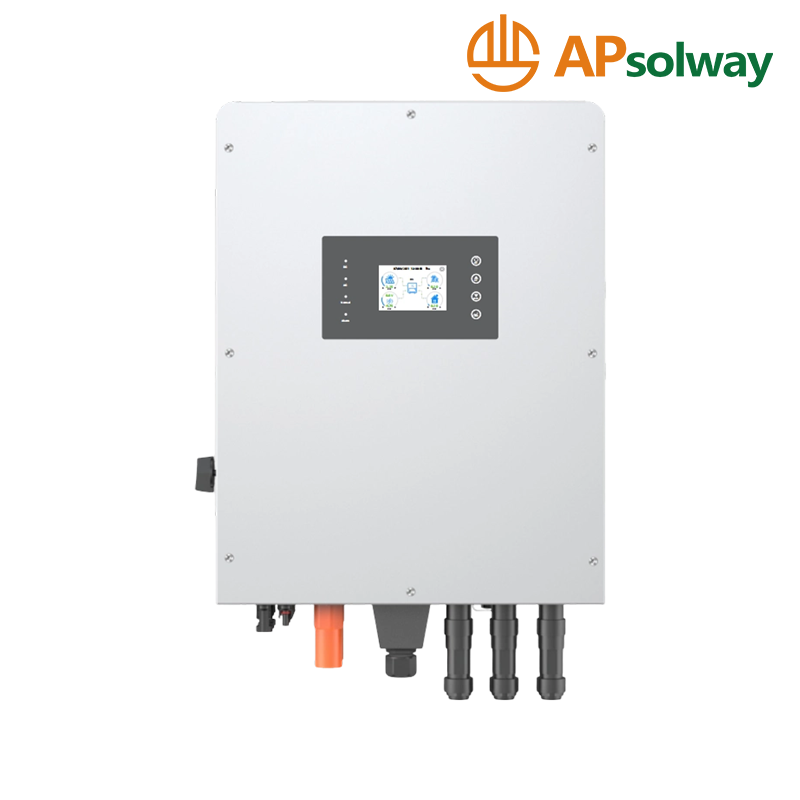
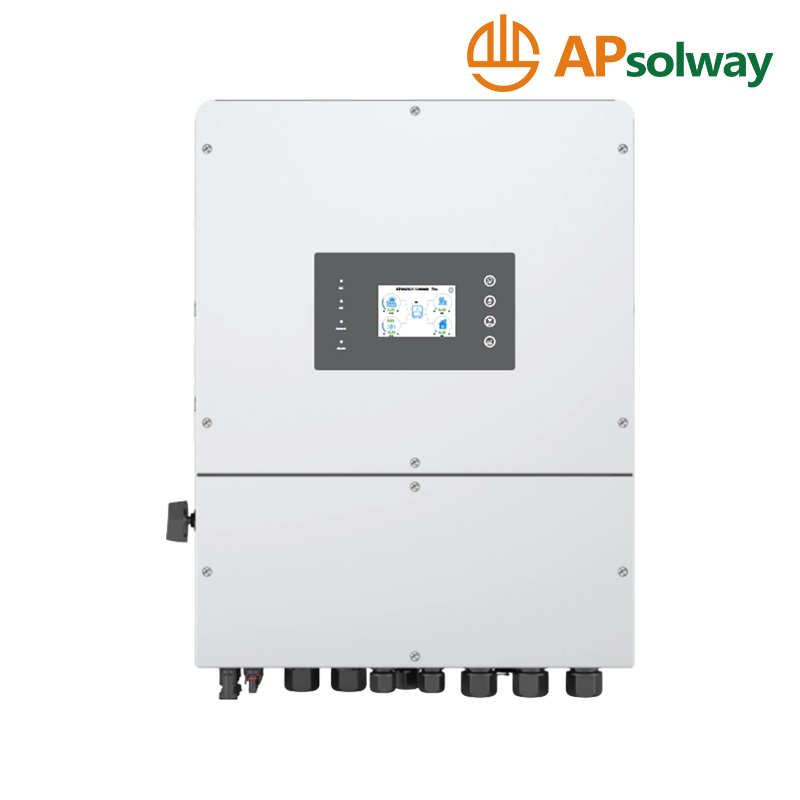
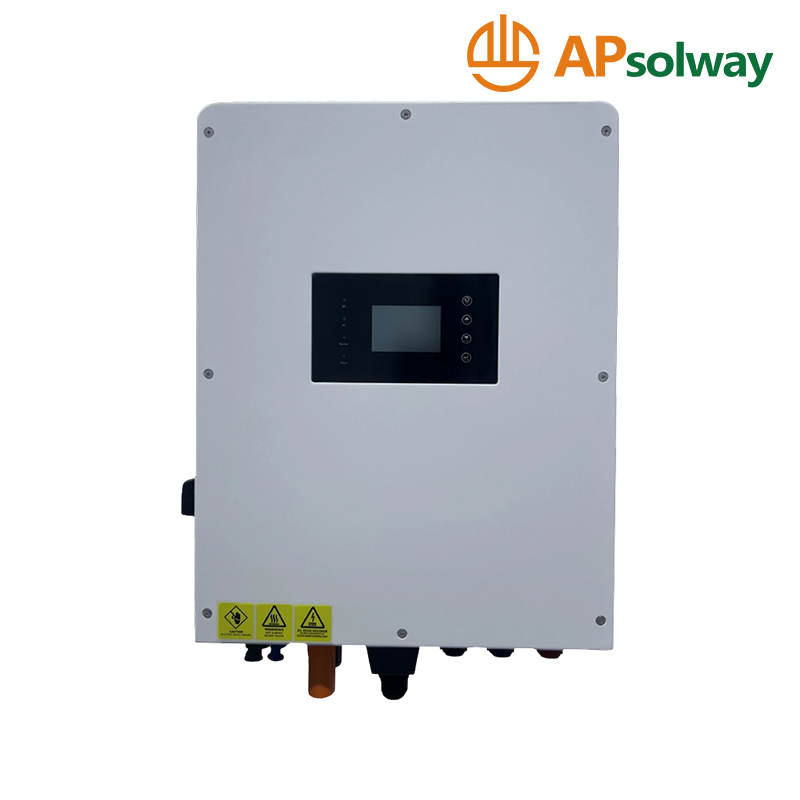
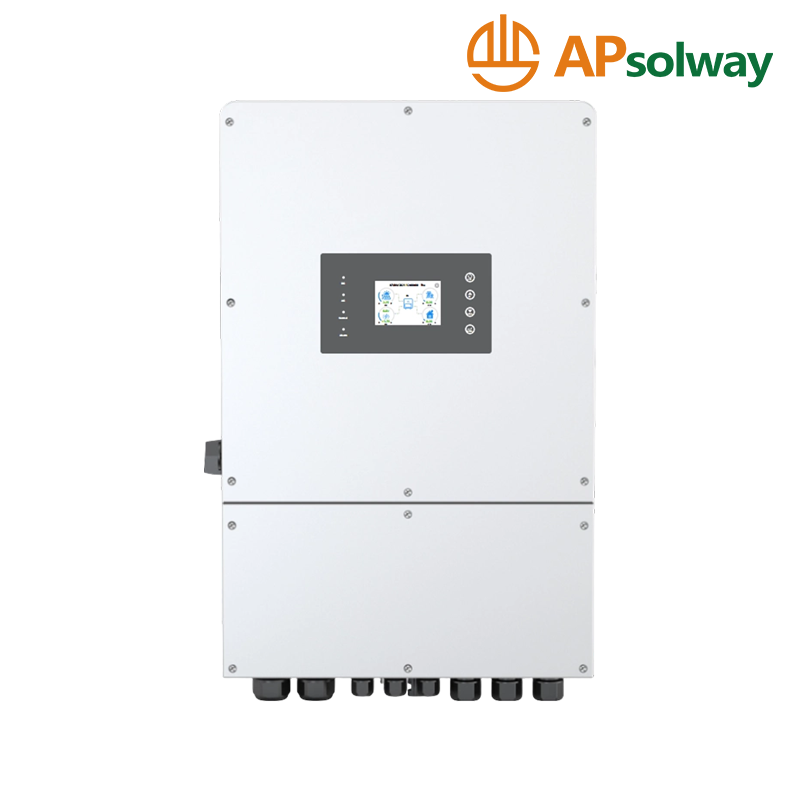
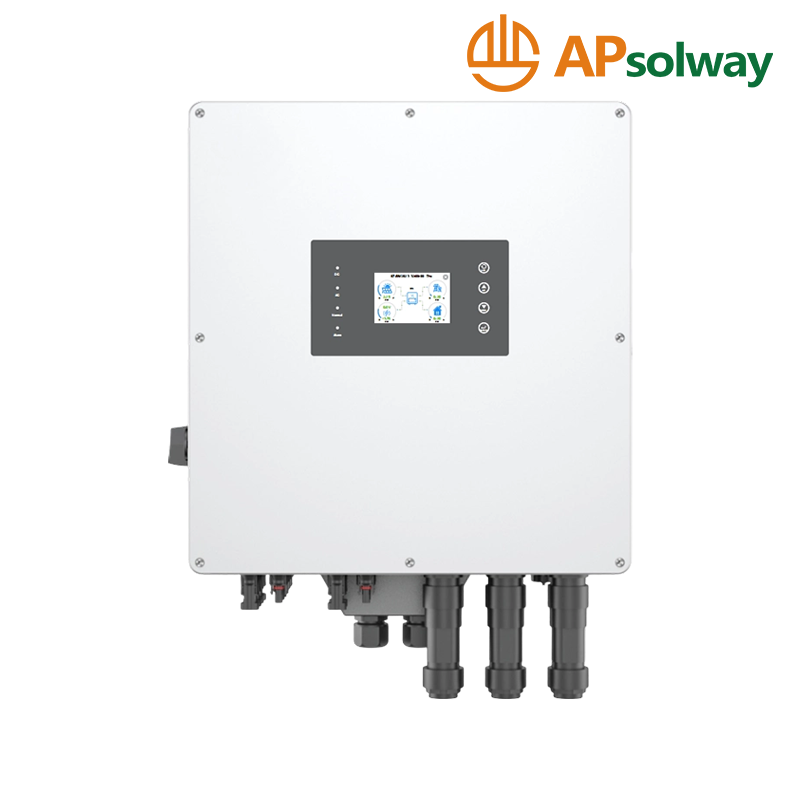
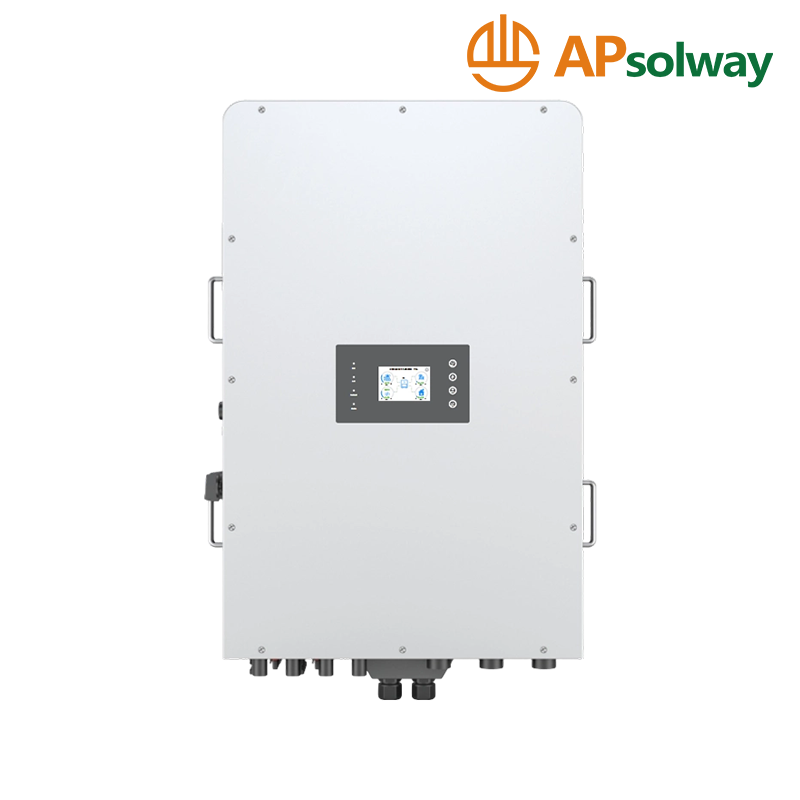

As a leading provider of residential solar energy storage solutions, APsolway stands out with innovative designs and a range of unique, differentiated features. Custom Solar Hybrid Inverters. We also offer OEM/ODM services and can deliver fully customized solutions to meet our customers’ specific needs.
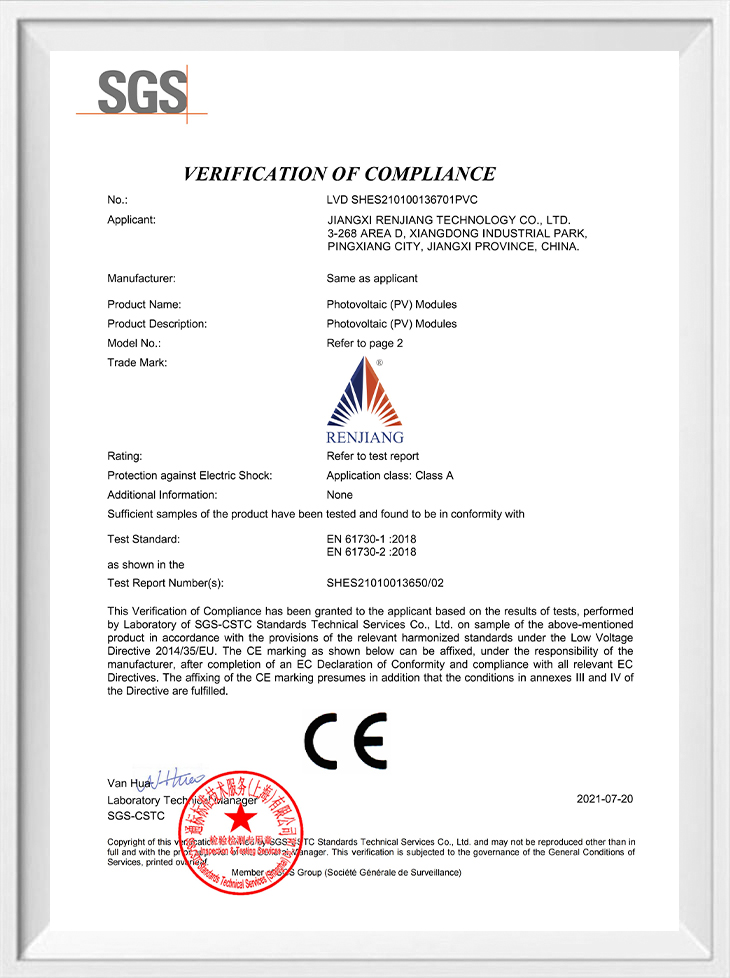
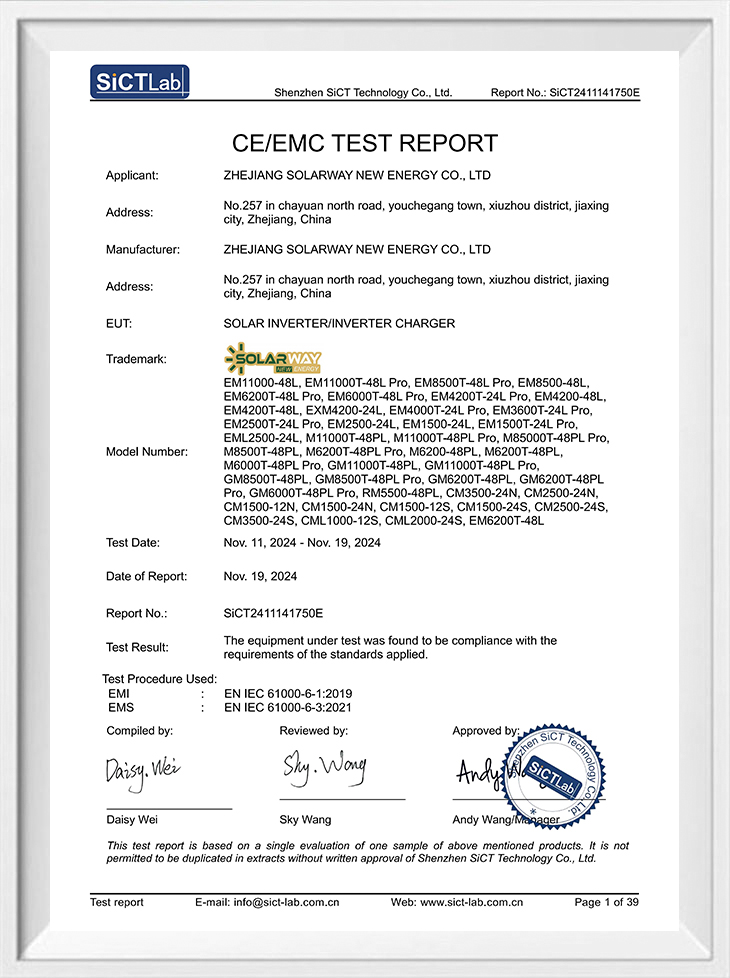
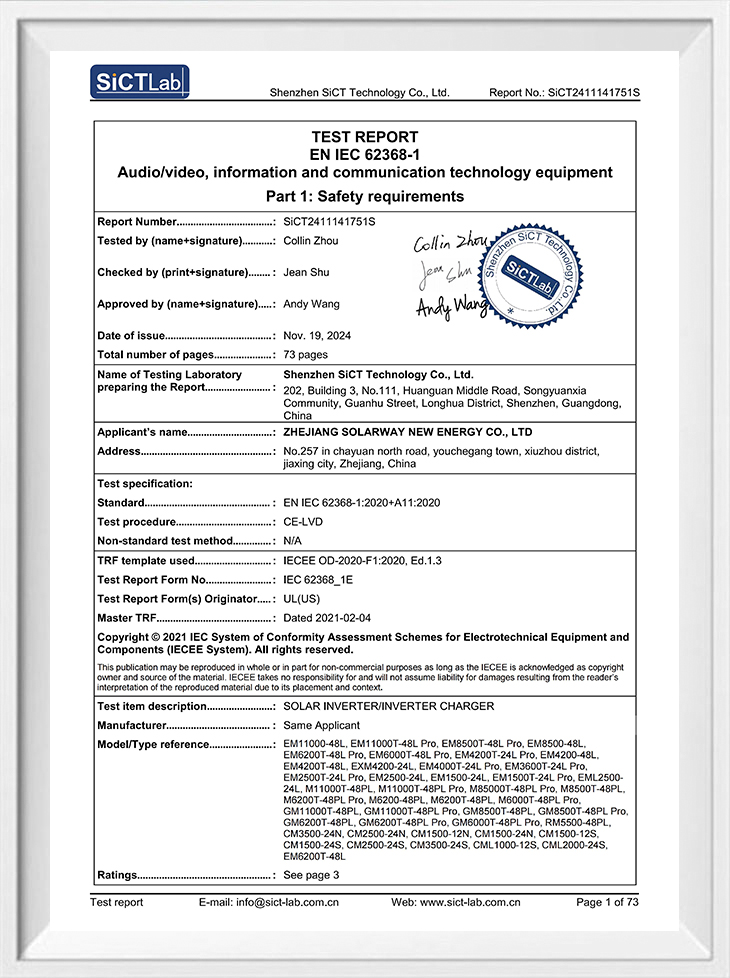
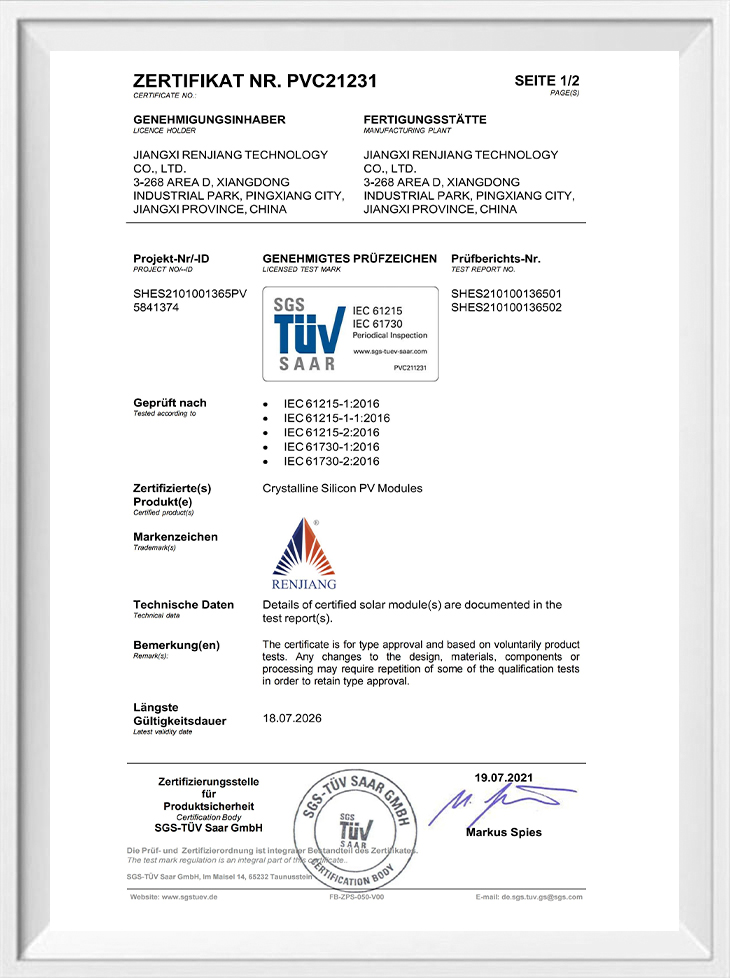
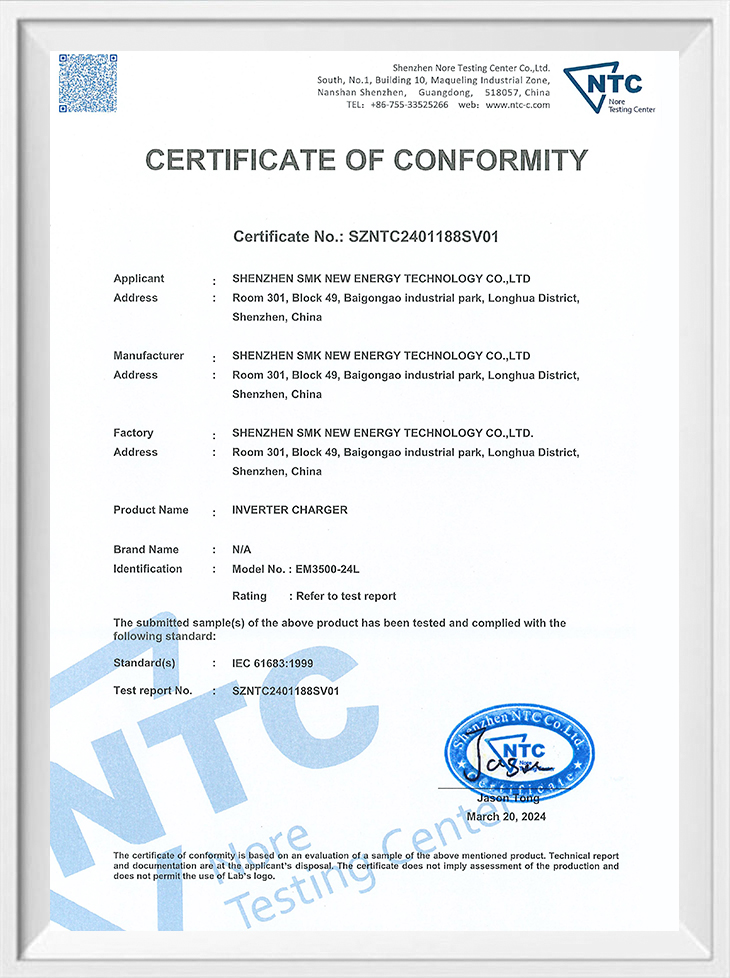
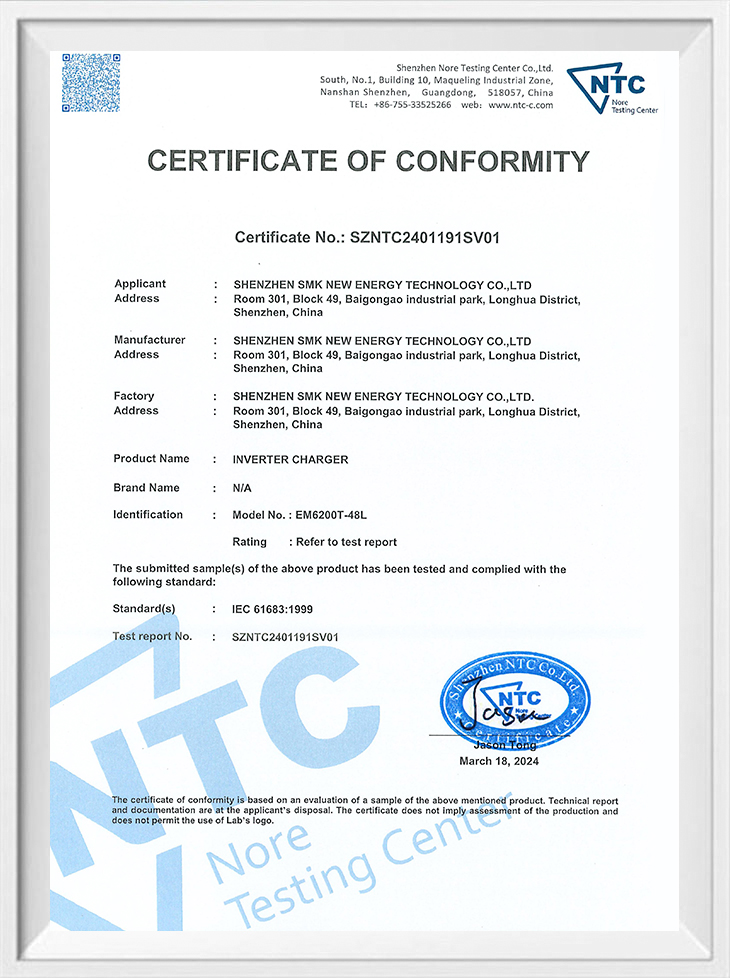
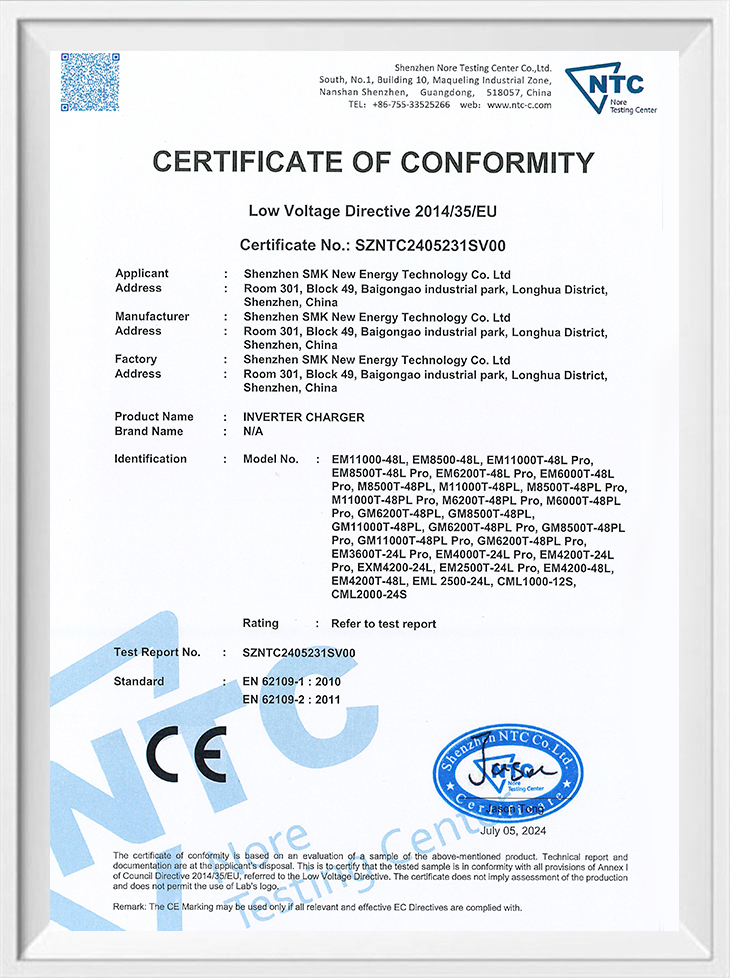
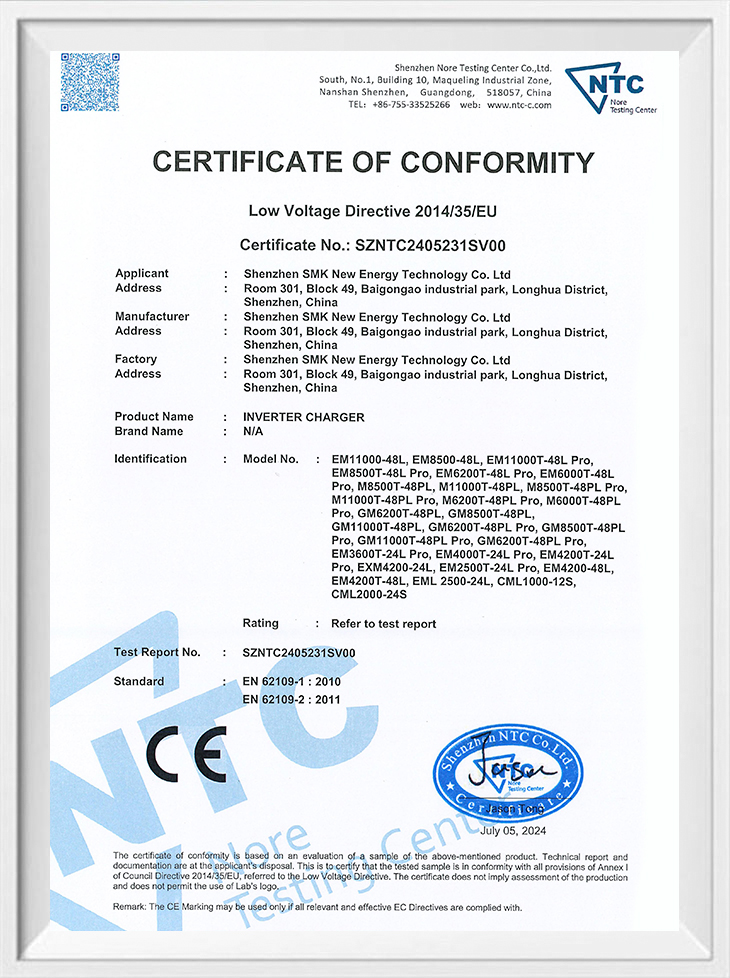
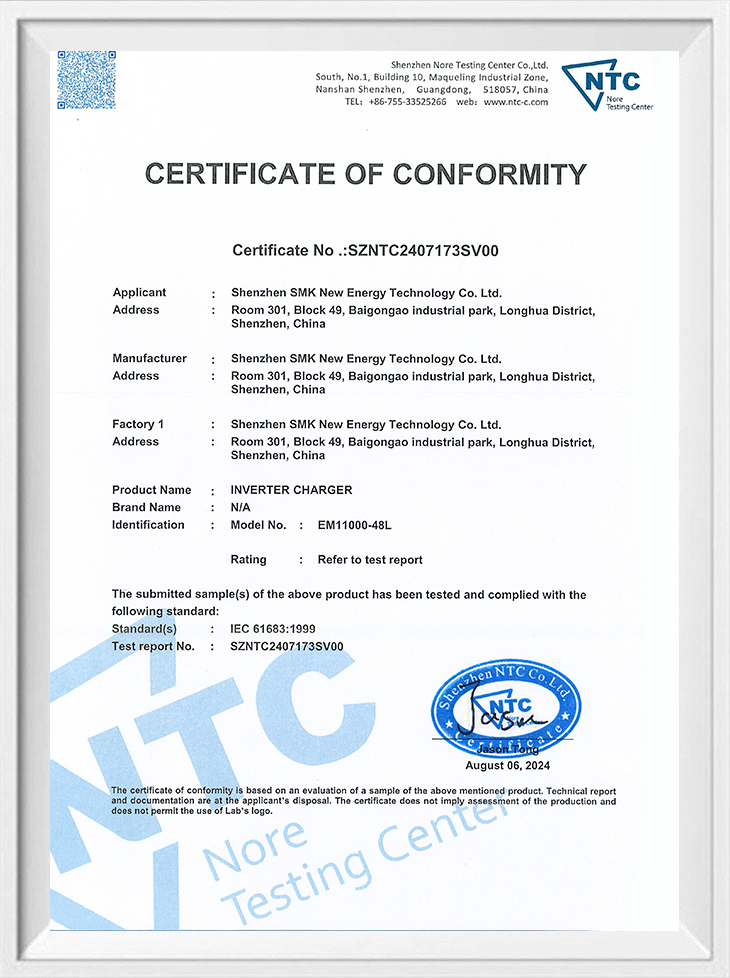
Our Updates
Time-of-Use Scheduling: Where Hybrid Inverters Actually “Earn” Their Keep
A modern hybrid inverter is most valuable when it can execute a predictable charge/discharge plan instead of reacting randomly to sunlight and load. Look for multi-period scheduling (for example, 6 configurable time periods) so you can align battery behavior with peak tariffs, demand charges, or generator windows.
Practical uses buyers often miss
- Charge from PV in the morning, hold capacity for evening peaks, then stop discharging at a reserve SOC for overnight backup.
- Avoid “battery ping-pong” by setting minimum discharge power and SOC limits so the inverter doesn’t chase every small load change.
- If your utility penalizes export, schedule a low-export window and prioritize self-consumption instead.
In our hybrid inverter lineup, we keep scheduling straightforward because it’s one of the fastest ways to make your system feel “smart” without extra hardware.
Parallel Operation: Capacity Growth Without Rebuilding Your System
Parallel-capable hybrids let you scale power by adding inverter units rather than replacing the original. Some platforms support up to 16 units in parallel, which changes how you should plan cabling, protection, and load distribution from day one.
What to check before you “stack” inverters
- Synchronization method (master/slave vs. peer-to-peer) and whether it supports both on-grid and off-grid operation while paralleled.
- Neutral/ground strategy and fault current handling—critical for split-phase or three-phase sites.
- Battery current sharing rules: parallel inverters can overload a battery bank if BMS limits aren’t coordinated.
Tip: If expansion is likely, overspec your AC combiner space and cable routing now—retrofits get expensive fast.
48V vs. High-Voltage Batteries: The Decision That Shapes Everything
Hybrid inverters typically pair with either low-voltage (commonly 48V) battery banks or higher-voltage battery stacks. This choice affects efficiency, cable size, safety approach, and how easily you can scale storage.
| Decision Factor | 48V Battery Systems | High-Voltage Battery Systems |
|---|---|---|
| Cable & Current | Higher current, thicker cables | Lower current, thinner cables |
| Scaling Storage | Often simpler modular parallel packs | Great for large energy blocks, tighter matching required |
| Typical Use Case | Residential/off-grid cabins, small commercial | Higher-power three-phase sites, larger ESS |
| Installer Focus | DC protection & cable management | Isolation, HV safety procedures |
Rule of thumb: if you expect frequent high power (EV charging, compressors, three-phase machinery), high-voltage storage can simplify current handling; if you want maximum modularity and service familiarity, 48V is often easier.
AC Coupling: The Retrofit Trick for “Already Have Solar” Homes
If you already have a grid-tied PV inverter, AC coupling lets a Solar Hybrid Inverter add batteries and backup capability without ripping out your existing PV. In AC-coupled designs, the hybrid manages battery charge/discharge on the AC bus while coordinating export limits and stability.
Buyers should validate these details
- Whether the hybrid can regulate frequency/voltage during backup so the PV inverter stays online (some PV inverters trip if conditions drift).
- Export control method (CT clamp, smart meter, or internal metering) and how accurately it holds an export cap.
- Maximum AC-coupled PV capacity supported during off-grid operation to prevent overcharging when loads are low.
We like AC coupling for upgrades because it’s often the cleanest path from “solar only” to “solar + storage” with minimal downtime.
Outdoor Install Reality: IP Ratings, Heat Derating, and the LCD You’ll Actually Use
An IP rating (for example, IP66) matters less as a badge and more as a limiter on where you can mount: dust, heavy rain, hose-down zones, and coastal salt environments. But even with high ingress protection, thermal management is the silent performance killer.
Practical placement guidance
- Shade the enclosure and leave airflow clearance—high ambient temperature can force power derating during peak solar hours.
- Avoid direct west-facing walls in hot climates; late-day heat coincides with evening peak load.
- A touch LCD isn’t just cosmetic: it reduces commissioning time onsite when Wi-Fi/app setup is delayed.
Small but useful: a clear local display can speed up troubleshooting (battery limit, grid fault, PV insulation warnings) without pulling logs.
- Mp: +86-13819379269 / 15726870289
- Tel: +86-573-83705988
- Fax: +86-573-83705966
- E-mail: [email protected]
- Add: 10th Floor, Haizhou Star, Xiuzhou District, Jiaxing City, Zhejiang, China 314000
 Privacy
Solar Hybrid Inverters Manufacturers
Privacy
Solar Hybrid Inverters Manufacturers