
 EN
EN English
 Español
 عربى
عربى


Solar Panels Manufacturers
Solar panels, devices that convert solar energy into electricity, play a vital role in global sustainable energy development. Their operating principle is based on the photoelectric effect. When sunlight strikes a solar panel, the semiconductor material within the panel absorbs the energy from photons, causing electrons to jump, generating an electric current.
Solar panels are primarily categorized into monocrystalline, polycrystalline, and thin-film types. Monocrystalline silicon solar panels, made from high-efficiency single-crystal solar cells, offer high conversion efficiencies exceeding 20% and a long service life, typically around 25 years. Polycrystalline silicon solar panels are relatively low-cost, with a typical photoelectric conversion efficiency of 15%-18%. Thin-film solar panels offer excellent low-light performance and can be made into flexible products.
Solar panels have a wide range of applications. In the industrial sector, large industrial monocrystalline silicon solar panels can be installed on the ground, on rooftops, and in agricultural photovoltaic systems, providing stable power for factories and other facilities. Portable and foldable solar panels also play an important role in daily life. For example, during RV travel, military operations, and off-grid living, these solar panels can act like a power bank, powering various devices. For example, during outdoor camping, a 100W or 200W portable, foldable solar panel, utilizing monocrystalline silicon cell technology, boasts high energy conversion efficiency and can quickly charge phones, laptops, and more. Its IP67-rated waterproof and dustproof design makes it weatherproof.
Solar panels offer significant advantages: they are clean and environmentally friendly, generating no greenhouse gas emissions; they are inexhaustible, providing continuous energy as long as the sun is shining; and they offer relatively low maintenance costs. With continuous technological advancements, solar panels are increasingly being used in more applications, contributing to solving global energy challenges.
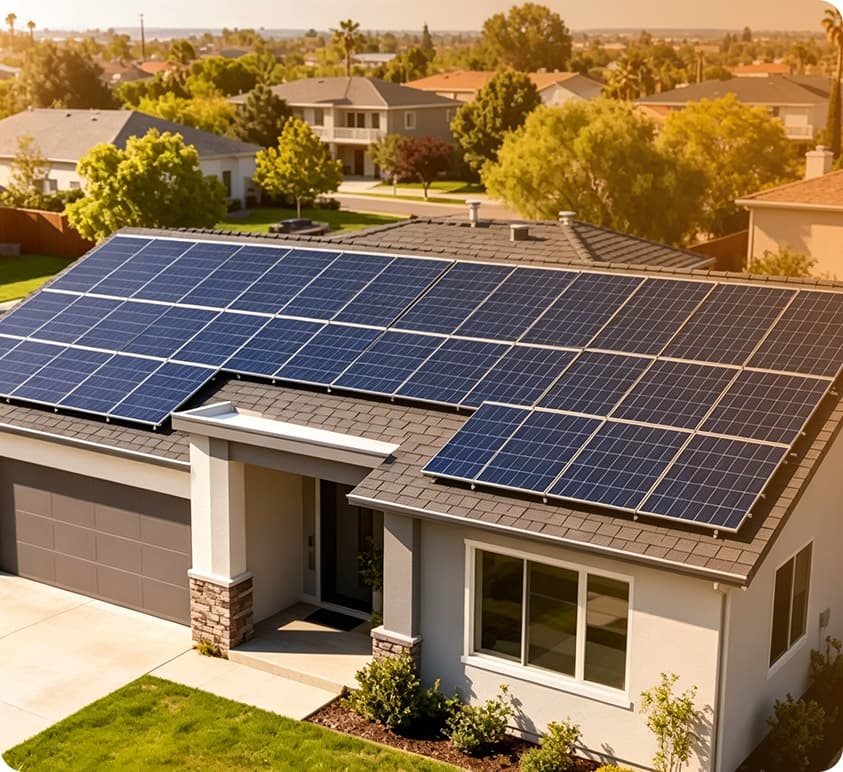
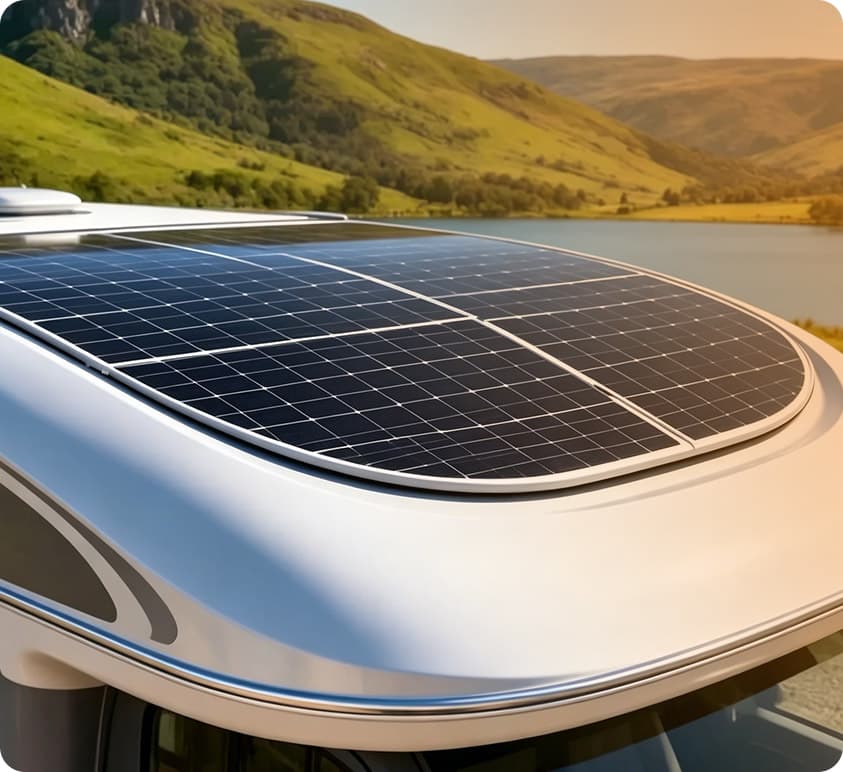

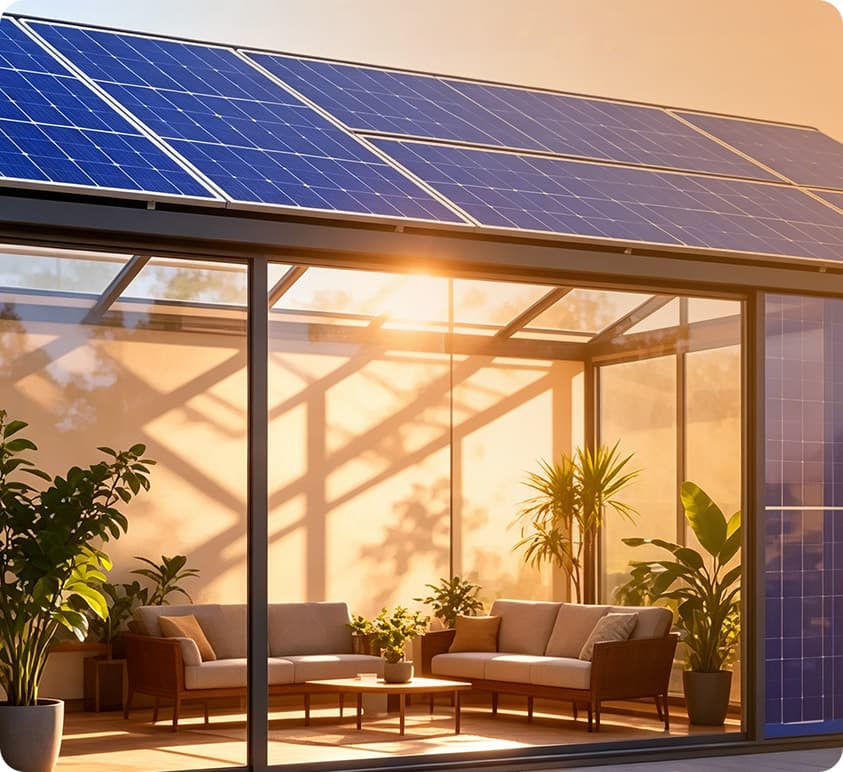
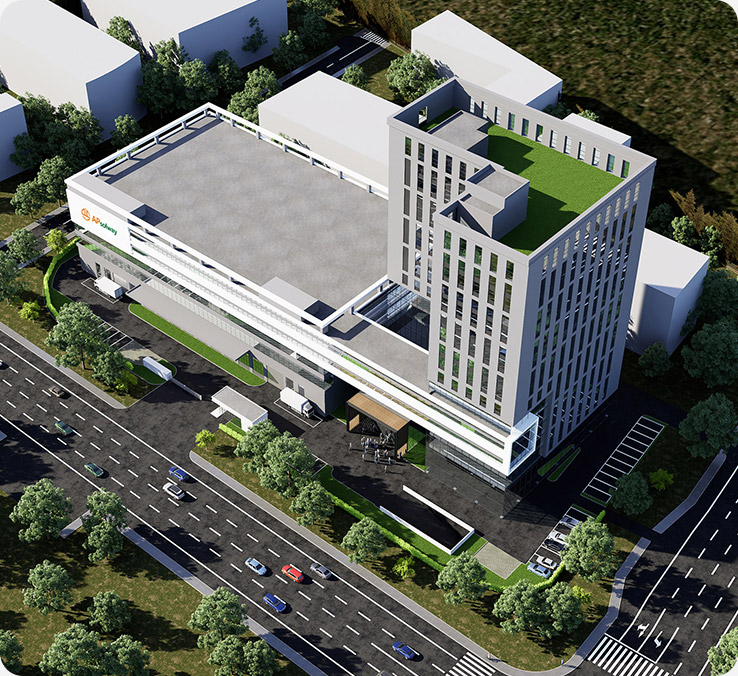
As a leading provider of residential solar energy storage solutions, APsolway stands out with innovative designs and a range of unique, differentiated features. Custom Solar Photovoltaic Panel. We also offer OEM/ODM services and can deliver fully customized solutions to meet our customers’ specific needs.
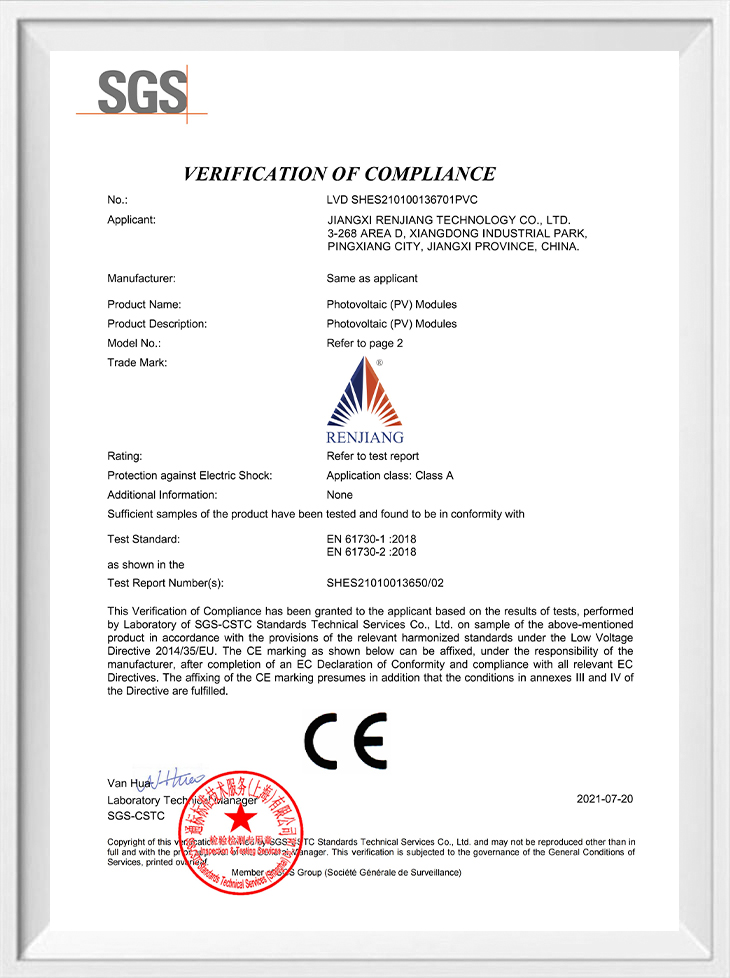
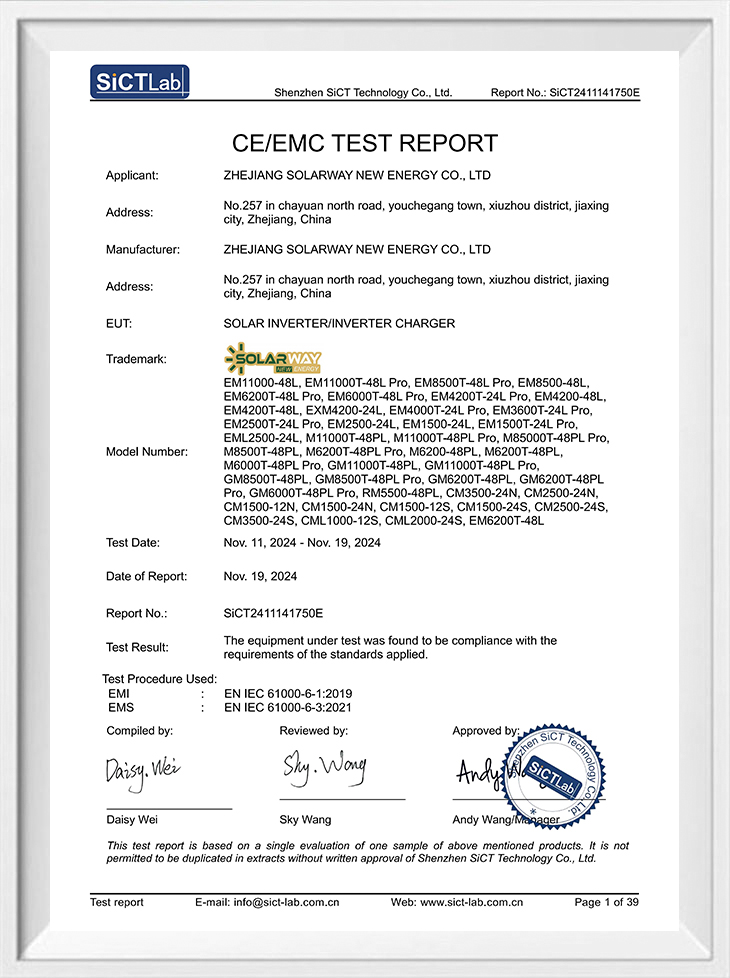
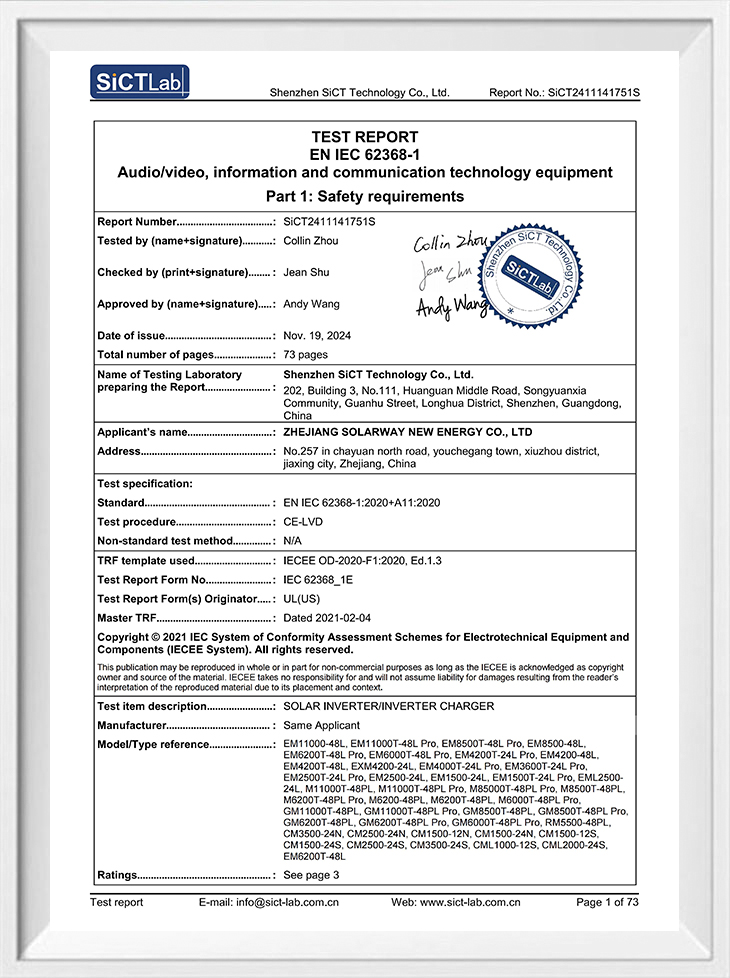
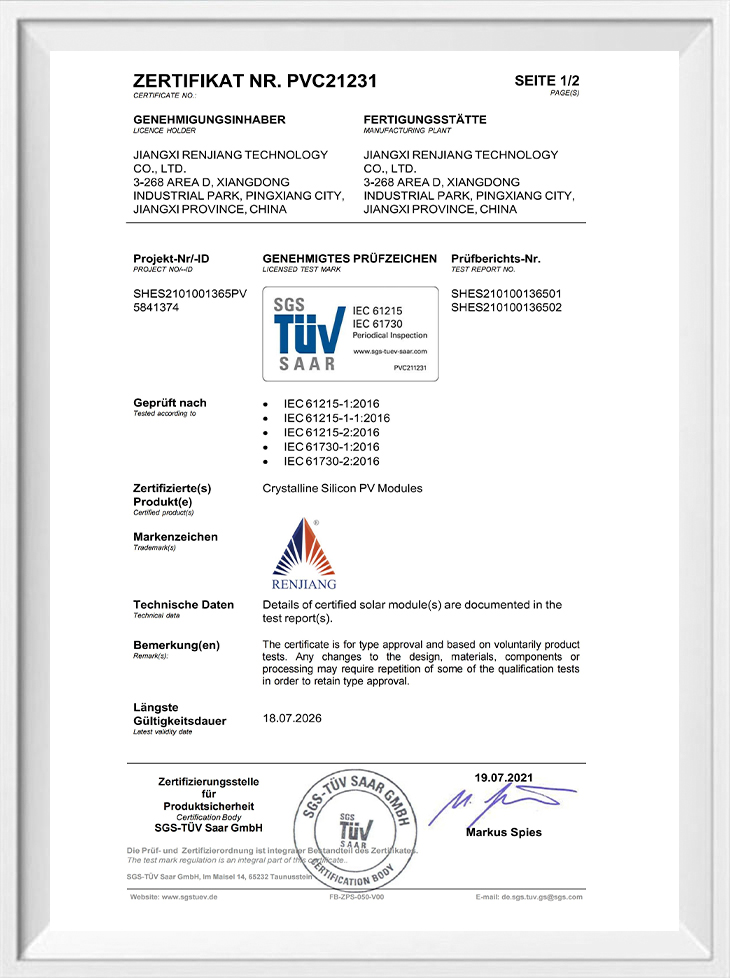
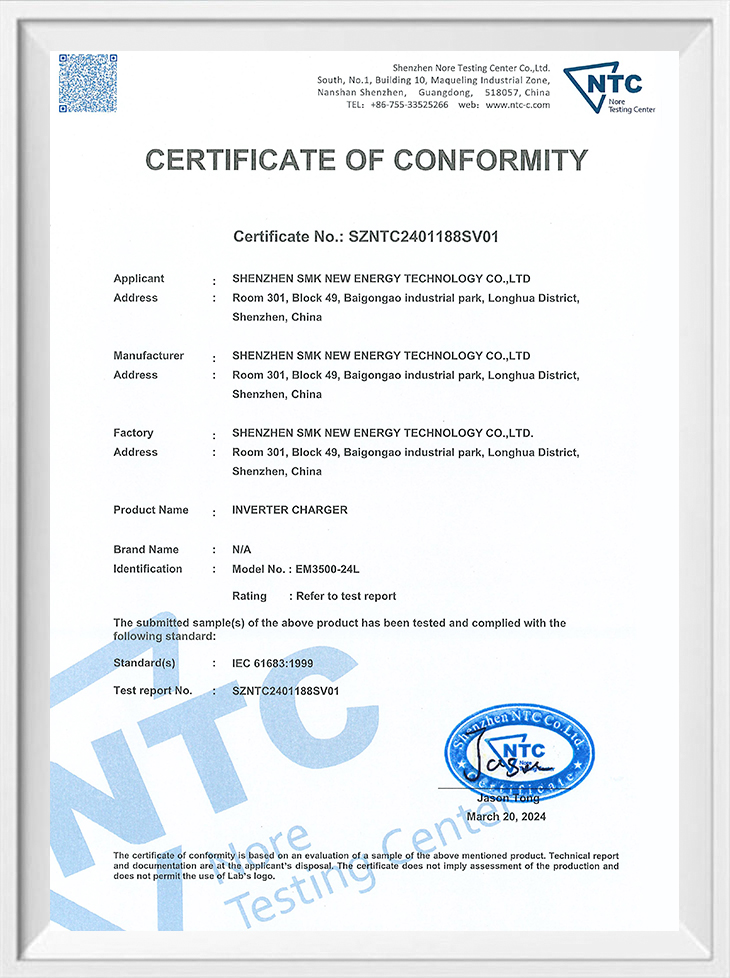
Our Updates
Practical Efficiency Optimization in Solar PV Panel Systems
In real deployment scenarios, the actual output of solar panels is often influenced more by system design and operating conditions than by nominal module efficiency ratings. Factors such as panel orientation, tilt angle, shading behavior, and string configuration play a decisive role in determining daily and annual energy yield. Fine-tuning these parameters can lead to measurable performance gains without increasing hardware costs.
Zhejiang APsolway Technology Co., Ltd., a subsidiary of Altenergy Power System Inc. (SSE STAR Market, Stock Code: 688348), applies system-level optimization principles across its integrated intelligent PV and energy-storage solutions. With over ten years of global renewable energy experience, APsolway focuses on maximizing real-world output for off-grid and hybrid applications rather than relying solely on theoretical panel specifications.
Electrical Matching Between PV Panels and Inverters
Proper electrical matching between photovoltaic panels and inverters is essential for stable operation and long-term reliability. Mismatch in voltage windows or current capacity can cause frequent inverter clipping, reduced MPPT efficiency, or increased thermal stress. In multi-string systems, balancing string lengths and module characteristics helps maintain consistent power conversion.
Key electrical matching considerations include:
- Alignment of PV string voltage with inverter MPPT operating range
- Current margin allowance to accommodate high-irradiance conditions
- Consistent module selection within each string to reduce mismatch losses
Environmental Stress and Long-Term Panel Performance
Solar photovoltaic panels are continuously exposed to environmental stressors such as UV radiation, temperature cycling, humidity, and airborne contaminants. Over time, these factors can lead to power degradation, encapsulant discoloration, or connector corrosion. Understanding site-specific environmental risks allows system designers to select appropriate panel technologies and mounting solutions.
APsolway’s residential ESS and commercial & industrial ESS solutions are often deployed in diverse climates, from coastal regions to high-temperature inland areas. System designs account for these conditions by combining robust PV panel selection with protective electrical architecture and monitoring strategies.
Maintenance-Oriented Design for Solar Photovoltaic Panels
While solar panels are generally low-maintenance, neglecting basic upkeep can gradually erode system performance. Accumulated dust, bird droppings, or debris can cause localized shading, leading to hot spots and uneven aging. Designing systems with accessibility in mind simplifies inspection and cleaning, particularly for off-grid installations where performance margins are critical.
Maintenance-focused design practices often include:
- Adequate spacing between panel rows to allow safe access
- Use of monitoring systems to detect abnormal power drops
- Selection of connectors and cabling with proven outdoor durability
Application-Oriented Characteristics of Solar PV Panels
| Characteristic | System-Level Impact |
| Temperature Coefficient | Affects output stability in high-temperature environments |
| Mechanical Strength | Supports reliability under wind and snow loads |
| Degradation Rate | Determines long-term energy yield predictability |
| Module Consistency | Reduces mismatch losses in large arrays |
As a core energy-generation component, solar photovoltaic panels form the foundation of APsolway’s integrated PV and energy-storage system solutions. By focusing on real-world performance, durability, and system compatibility, APsolway supports reliable power generation across residential, commercial & industrial, and vehicle-mounted off-grid energy applications.
- Mp: +86-13819379269 / 15726870289
- Tel: +86-573-83705988
- Fax: +86-573-83705966
- E-mail: [email protected]
- Add: 10th Floor, Haizhou Star, Xiuzhou District, Jiaxing City, Zhejiang, China 314000
 Privacy
OEM/ODM Solar PV Panel Factory
Privacy
OEM/ODM Solar PV Panel Factory