
 EN
EN English
 Español
 عربى
عربى


Stackable Battery Suppliers
Stackable batteries based on lithium iron phosphate (LiFePO₄) technology are becoming an ideal choice for home energy storage. Their core advantage lies primarily in safety. LiFePO₄ material possesses exceptional thermal stability, making it less susceptible to fire or explosion even in extreme conditions such as high temperatures, collisions, and overcharging. This fundamentally reduces safety risks associated with household electricity use. Furthermore, the battery incorporates multiple protection mechanisms, including overcurrent protection, short-circuit protection, and temperature monitoring, further strengthening safety measures and ensuring users are worry-free about unexpected risks.
This type of battery also demonstrates impressive battery life. Thanks to the chemical properties of LiFePO₄, it boasts a cycle life of over 3,000 cycles. Based on a daily charge and discharge cycle, this translates to a lifespan exceeding eight years, significantly exceeding that of traditional lead-acid batteries. More importantly, it supports a modular stacking design: users can start with a single battery and gradually add more (typically with a single battery capacity of 5kWh-10kWh) based on their household power needs, flexibly expanding the total energy storage capacity. This not only meets daily lighting and household appliance needs, but also provides emergency power during power outages. It is particularly suitable for storing excess electricity from distributed photovoltaic systems, achieving "self-generation for own use, and storage of surplus electricity."
Easy installation and maintenance are also noteworthy. The wall-mounted design allows it to be easily integrated into any corner of the home, eliminating floor space and making it particularly suitable for small or compact homes. The battery's fully sealed structure eliminates the need for electrolyte addition or regular maintenance, completely eliminating the tedious "watering and cleaning" operations associated with traditional batteries, achieving truly maintenance-free operation. Furthermore, its charge and discharge efficiency is over 90%. Combined with an intelligent management system, the battery's battery level and charge and discharge status can be monitored in real time via a mobile app, making home energy management more intuitive and efficient. Whether used as a supporting device for photovoltaic energy storage or as a backup power source for sudden power outages, this stackable lithium iron phosphate battery offers a safe, long-lasting, compact, and maintenance-free solution for modern households, reducing electricity costs while increasing energy independence and flexibility.
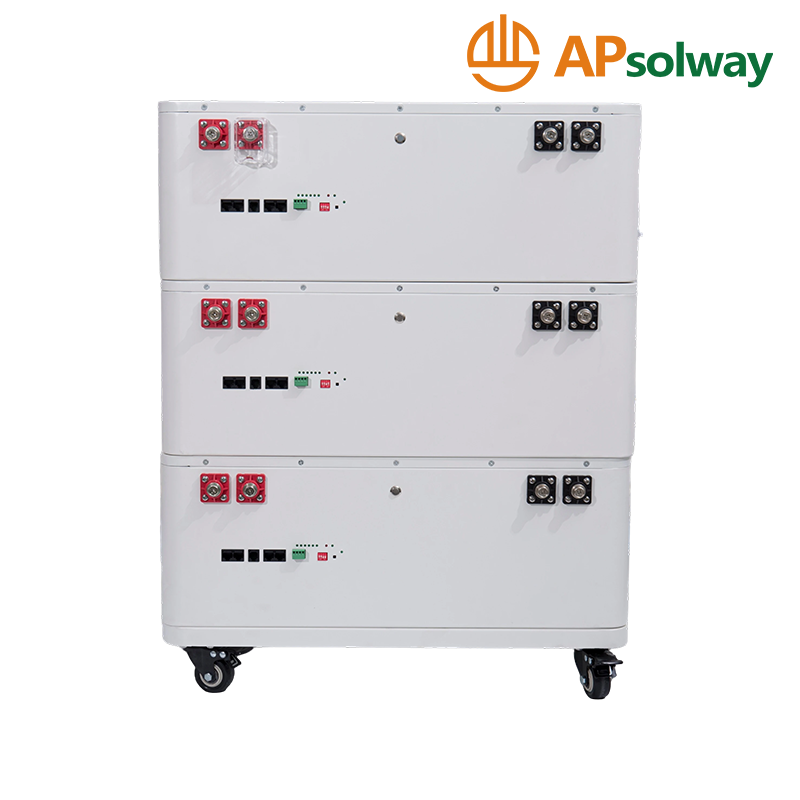
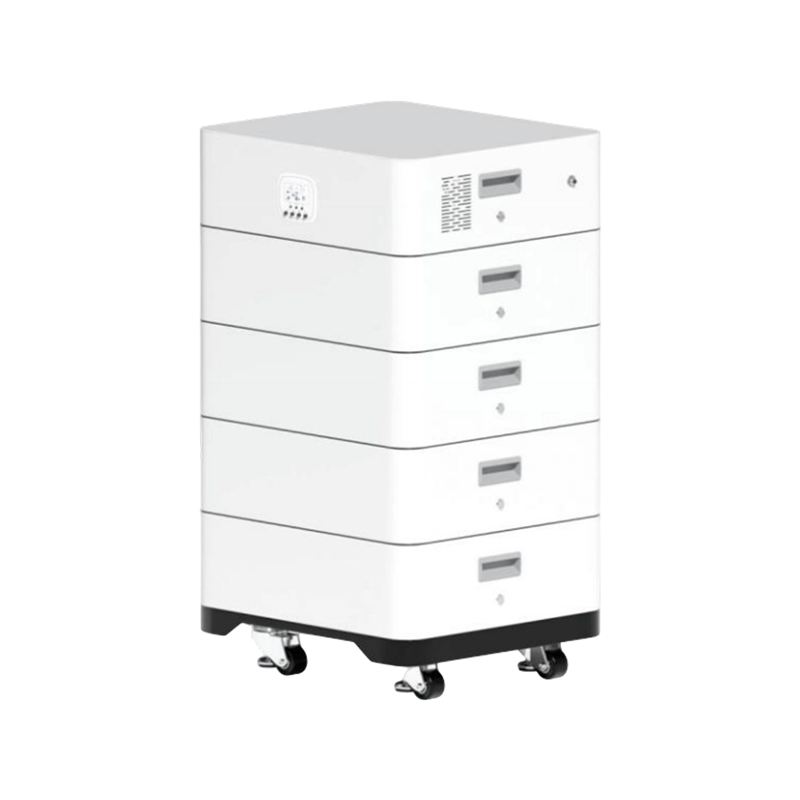
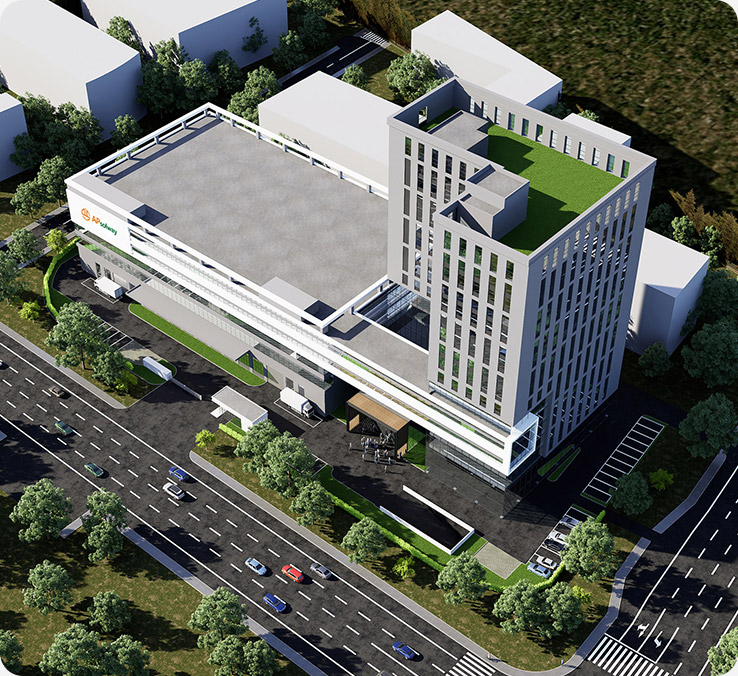
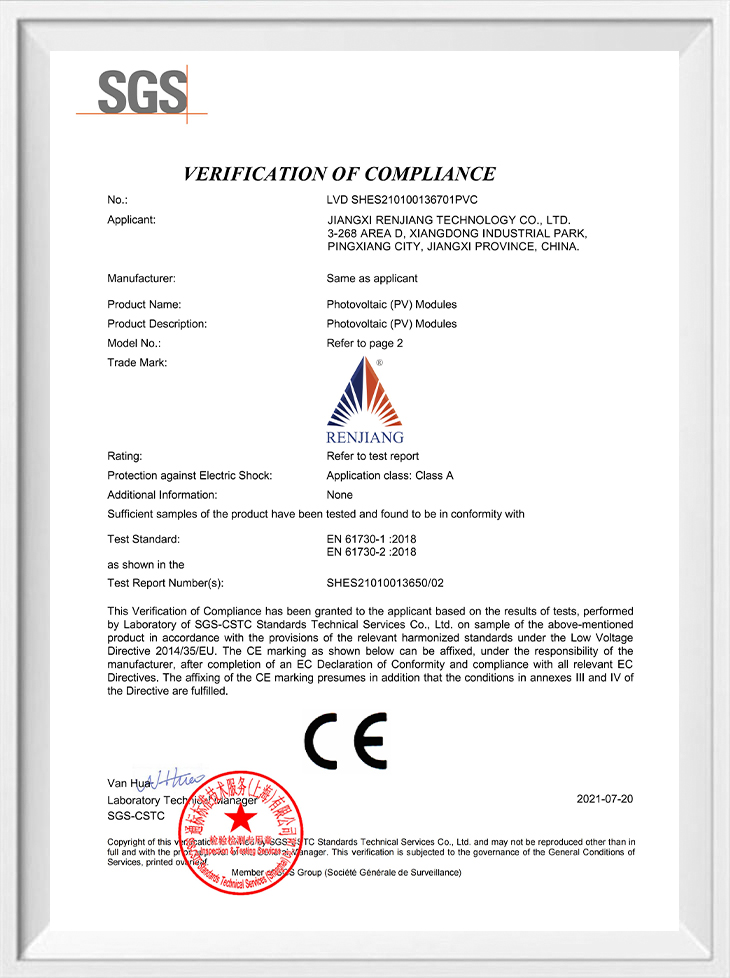
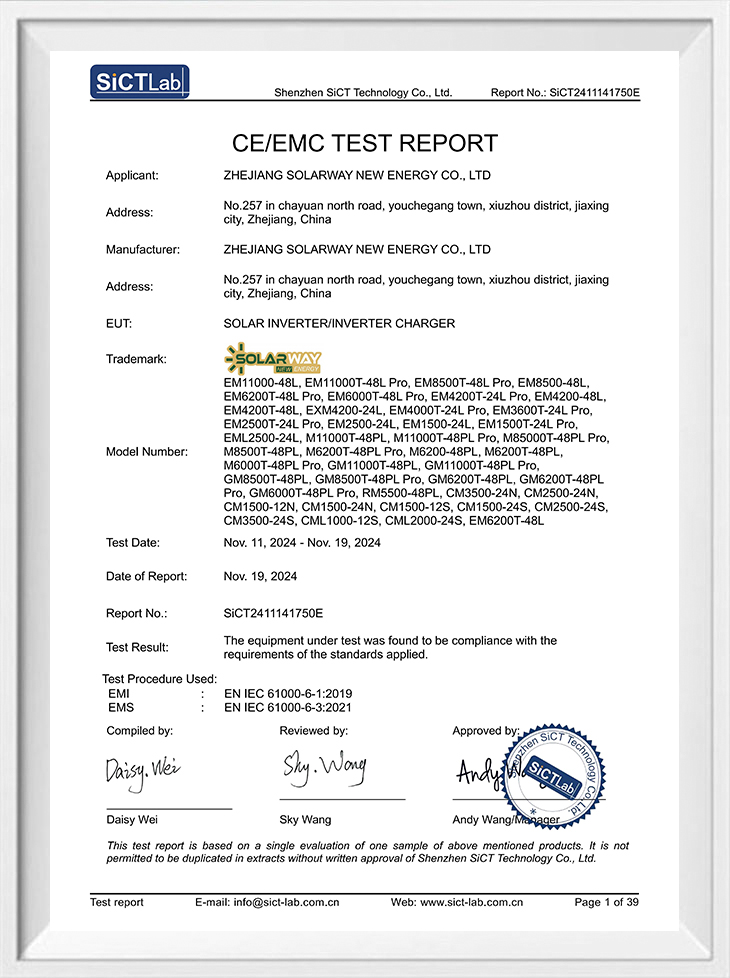
As a leading provider of residential solar energy storage solutions, APsolway stands out with innovative designs and a range of unique, differentiated features. Stackable Battery Wholesale. We also offer OEM/ODM services and can deliver fully customized solutions to meet our customers’ specific needs.
Our Updates
Scalability Logic Behind Stackable Battery Systems
Stackable battery systems are designed around modular scalability rather than fixed-capacity planning. In practical deployment, this means capacity expansion is achieved by adding identical battery modules without reconfiguring the entire energy-storage architecture. This approach significantly reduces future upgrade costs and downtime, especially for residential ESS and small commercial systems where energy demand often grows gradually.
Zhejiang APsolway Technology Co., Ltd., as a subsidiary of Altenergy Power System Inc. (SSE STAR Market, Stock Code: 688348), applies this modular logic across its integrated PV and energy-storage solutions. With over ten years of global renewable energy experience, APsolway emphasizes standardized battery modules that simplify inventory management, installation, and long-term maintenance for off-grid and hybrid systems.
Thermal Management Considerations in Stackable Designs
Unlike single large-capacity batteries, stackable battery systems must manage heat distribution across vertically arranged modules. Poor thermal balance can lead to uneven aging and reduced cycle life. Advanced designs typically incorporate natural convection channels, internal heat sinks, or controlled airflow paths between modules to maintain consistent operating temperatures.
Key thermal design practices include:
- Independent temperature sensing at each module level to prevent localized overheating
- Uniform airflow spacing to avoid heat accumulation in middle stacks
- BMS-driven charge and discharge derating under extreme temperature conditions
Battery Management System (BMS) Coordination in Multi-Module Stacks
In stackable battery architectures, the BMS must handle both individual module safety and system-level coordination. This includes voltage balancing across parallel stacks, synchronized SOC estimation, and fault isolation without shutting down the entire system. A well-designed BMS allows one faulty module to be isolated while keeping the remaining stack operational.
APsolway’s energy-storage solutions integrate intelligent BMS logic aligned with its solar inverters and energy management systems. This enables seamless communication between PV generation, battery storage, and load consumption—an essential requirement for off-grid living and vehicle-mounted mobile energy systems.
Installation Flexibility and Site Adaptation
Stackable batteries provide notable flexibility in installation environments where space constraints or structural limitations exist. Unlike wall-mounted units that depend on load-bearing walls, stackable systems can be floor-installed and expanded vertically, making them suitable for garages, utility rooms, or containerized energy stations.
Common site-level advantages include:
- Reduced wall load requirements and simplified civil engineering work
- Easier relocation or reconfiguration for temporary or mobile energy applications
- Clear visual inspection paths for maintenance and safety checks
Typical Performance Parameters of Stackable Battery Systems
| Parameter | Practical Implication |
| Modular Capacity | Allows incremental expansion without system redesign |
| Cycle Life Consistency | Balanced aging across modules improves long-term ROI |
| System Redundancy | Partial operation remains possible during single-module faults |
| Installation Footprint | Optimized for vertical space utilization |
As global demand for flexible and intelligent energy-storage solutions grows, stackable battery systems continue to align with APsolway’s vision of delivering high-quality products that meet real-world power needs. Their adaptability across residential, commercial & industrial ESS, and mobile energy applications makes them a core component of modern off-grid energy strategies.
- Mp: +86-13819379269 / 15726870289
- Tel: +86-573-83705988
- Fax: +86-573-83705966
- E-mail: [email protected]
- Add: 10th Floor, Haizhou Star, Xiuzhou District, Jiaxing City, Zhejiang, China 314000
 Privacy
Wholesale Stackable Battery Factory
Privacy
Wholesale Stackable Battery Factory