
 EN
EN English
 Español
 عربى
عربى


What Should Beginners Know Before Buying an Off-Grid Inverter?
Content
What an Off-Grid Inverter Does and Why It's Essential
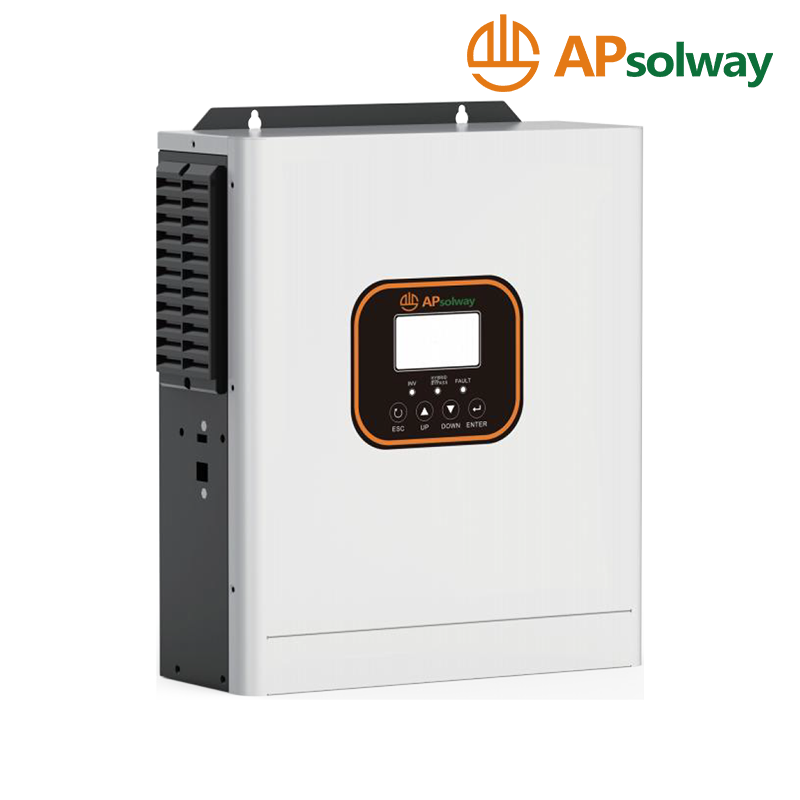
An off-grid inverter is the component in a solar power system that converts the direct current (DC) electricity stored in batteries into alternating current (AC) electricity, which is what most household appliances, tools, and electronics actually run on. Unlike grid-tied inverters, which synchronize with utility power and often shut down during a grid outage for safety reasons, off-grid inverters operate completely independently, drawing power from batteries charged by solar panels rather than relying on any connection to the utility grid at all.
For anyone setting up a cabin, RV, tiny home, or remote property without access to utility power, the inverter is arguably the most important component in the entire system after the batteries themselves. Choosing the wrong inverter, whether undersized, poorly rated, or mismatched with the battery bank, can result in appliances that won't run properly, damaged electronics, or a system that fails entirely under real-world load.
Pure Sine Wave vs Modified Sine Wave Inverters
One of the first decisions beginners face is choosing between a pure sine wave inverter and a modified sine wave inverter, and this choice significantly affects which appliances will run safely and efficiently.
Pure Sine Wave Inverters
Pure sine wave inverters produce clean, smooth AC power that closely mimics the electricity supplied by the utility grid. This makes them safe and efficient for sensitive electronics like laptops, medical equipment, variable-speed motors, and modern appliances with microprocessors. While they cost more than modified sine wave models, pure sine wave inverters are now the standard recommendation for most off-grid home setups because so many modern devices require clean power to function correctly and avoid premature wear.
Modified Sine Wave Inverters
Modified sine wave inverters produce a rougher, stepped approximation of AC power. They are less expensive but can cause certain appliances, particularly those with motors or sensitive electronics, to run less efficiently, produce audible humming, or even suffer damage over time. These inverters are generally only recommended for very basic setups powering simple resistive loads like incandescent lighting or basic power tools.
Sizing Your Inverter Correctly
Inverter sizing is based on two key ratings: continuous power output and surge (or peak) power output, both measured in watts. Continuous output is the amount of power the inverter can supply steadily over time, while surge output covers the brief power spike many appliances need when first starting up, particularly those with electric motors like refrigerators, well pumps, and power tools.
To size an inverter correctly, add up the continuous wattage of all appliances that might run simultaneously, then check the single highest surge wattage among those appliances and add it to the continuous total. The table below shows typical wattage draws for common off-grid appliances as a starting reference point.
| Appliance | Continuous Watts | Surge Watts |
| Refrigerator | 150–200 | 600–800 |
| Well Pump | 750–1000 | 2000–3000 |
| Microwave | 1000–1200 | 1500 |
| Laptop Charger | 60–90 | 90 |
| LED Lighting (per bulb) | 8–12 | 12 |
Most experts recommend choosing an inverter rated for at least 20 to 25% more than the calculated total load, providing a safety margin for future additions and preventing the inverter from constantly operating at its maximum capacity, which can shorten its lifespan.
Matching Inverter Voltage to Your Battery Bank
Off-grid inverters are designed to work with specific battery bank voltages, commonly 12V, 24V, or 48V systems. Choosing the correct voltage match is essential, since connecting an inverter to a mismatched battery voltage simply will not work and can potentially damage equipment.
- 12V systems: best suited for small setups like RVs, boats, or minimal cabin power needs under 1000-2000 watts
- 24V systems: a good middle ground for medium-sized cabins or tiny homes with moderate daily power needs
- 48V systems: recommended for larger off-grid homes with higher power demands, since higher voltage systems experience less energy loss and require thinner, less expensive wiring for the same power output
Beginners planning to expand their system over time should consider starting with a 24V or 48V setup even if initial power needs are modest, since upgrading voltage later typically requires replacing the entire battery bank and inverter rather than simply adding components.
Additional Features Worth Considering
Beyond basic power conversion, several additional features can significantly improve the usability and reliability of an off-grid inverter setup.
Built-In Charge Controller
Some inverters, often called all-in-one or hybrid inverters, include an integrated solar charge controller, simplifying system design and reducing the number of separate components needed. This can be a good option for beginners who want a more streamlined installation process.
Generator Support and Transfer Switching
Many off-grid inverters support integration with a backup generator, automatically switching to generator power during extended periods of low sunlight or high demand. This feature adds valuable redundancy for systems that need to remain reliable year-round, particularly in regions with significant seasonal variation in solar availability.
Monitoring and Remote Control
Inverters with app-based or LCD monitoring allow users to track battery state of charge, power consumption, and system performance in real time. For beginners still learning how their off-grid system behaves under different conditions, this visibility is extremely valuable for troubleshooting and optimizing energy use.
Common Beginner Mistakes to Avoid
One of the most frequent mistakes beginners make is undersizing the inverter based only on average daily usage rather than accounting for surge loads from motor-driven appliances, leading to unexpected shutdowns when multiple devices start simultaneously. Another common error is choosing a modified sine wave inverter to save money upfront, only to discover certain appliances run poorly or fail prematurely, ultimately costing more in replacement equipment than the price difference of a pure sine wave model would have been.
Finally, many first-time buyers overlook future expansion when selecting inverter capacity and battery voltage, resulting in a system that quickly becomes limiting as power needs grow. Planning for at least 30 to 50% additional capacity beyond current needs, both in inverter size and battery voltage architecture, helps avoid a costly system overhaul down the road.
- Mp: +86-13819379269 / 15726870289
- Tel: +86-573-83705988
- Fax: +86-573-83705966
- E-mail: [email protected]
- Add: 10th Floor, Haizhou Star, Xiuzhou District, Jiaxing City, Zhejiang, China 314000
 Privacy
Solar Inverters Manufacturers
Privacy
Solar Inverters Manufacturers