
 EN
EN English
 Español
 عربى
عربى


Monocrystalline Solar Panel Suppliers
High-efficiency monocrystalline silicon solar panels, thanks to their unique crystal structure, have become a leader in the photovoltaic industry. Their core advantage stems from their high-purity silicon material—monocrystalline silicon rods grown using the Czochralski method. These ingots have neatly arranged atoms, resulting in minimal electron conduction resistance. This results in a typical conversion efficiency of 18%-24%, generating 10%-15% more electricity than multicrystalline silicon panels under the same lighting conditions. This means that residential users can meet their electricity needs faster with the same area of monocrystalline silicon panels installed. Commercial rooftops or large-scale power plants can achieve higher power density within limited space, significantly reducing installation costs per watt.
Space efficiency is another key advantage. The sophisticated cutting process for monocrystalline silicon cells allows for thinner slices (as thin as 150-200 microns). Combined with a compact packaging design, these panels occupy 15%-20% less space than traditional panels for the same power output. This "small size, high power" feature is particularly important for urban residential buildings with limited rooftop space or commercial buildings where land is at a premium, allowing them to adapt to complex installation environments without sacrificing power output.
Monocrystalline silicon panels excel in lifespan and stability. They offer exceptional resistance to degradation, with a degradation rate typically below 2% in the first year and no more than 0.5% per year thereafter. Their design lifespan is 25-30 years, far exceeding that of polycrystalline silicon or thin-film modules. Even in harsh climates such as high temperatures, humidity, and fog, the chemical stability of monocrystalline silicon effectively resists corrosion and aging, reducing long-term maintenance costs.
In terms of design, monocrystalline silicon panels feature a uniform dark blue or black color scheme, with a smooth, clean surface that lacks the graininess of polycrystalline silicon, blending seamlessly with modern architectural styles. Whether used on villa roofs, commercial building curtain walls, or parking lot roofs, they offer both functionality and decorative appeal, satisfying users' aesthetic needs.
information to be updated
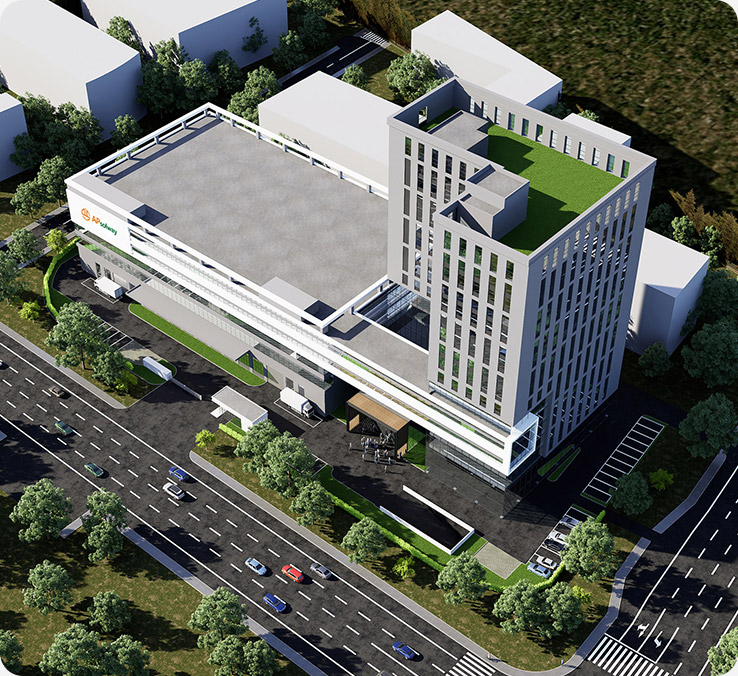
As a leading provider of residential solar energy storage solutions, APsolway stands out with innovative designs and a range of unique, differentiated features. Monocrystalline Solar Panel Wholesale. We also offer OEM/ODM services and can deliver fully customized solutions to meet our customers’ specific needs.
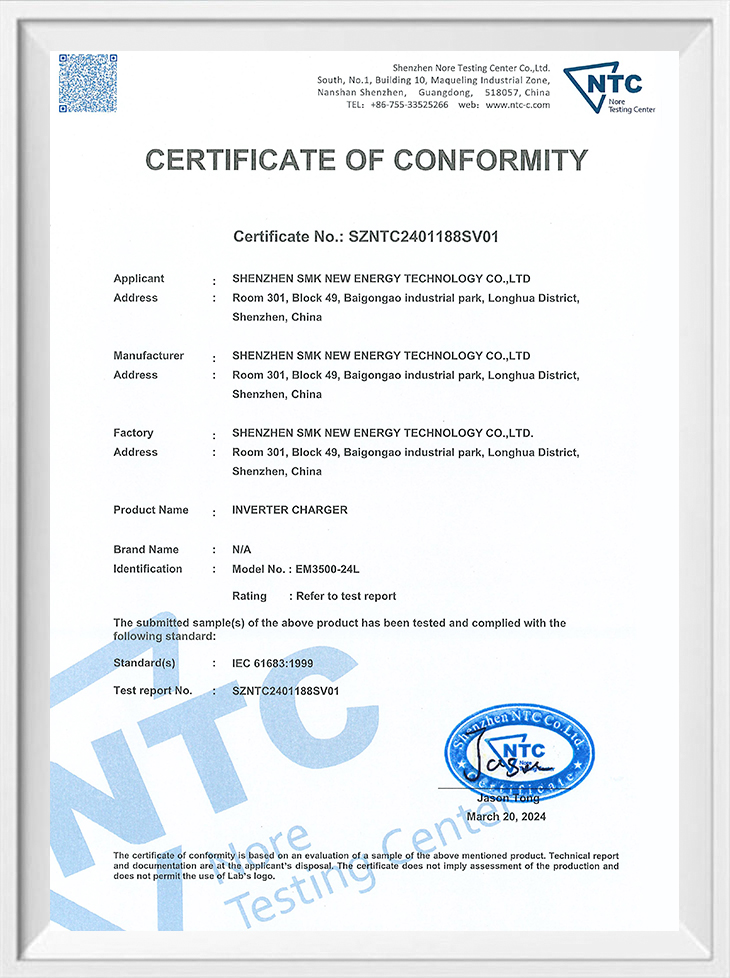
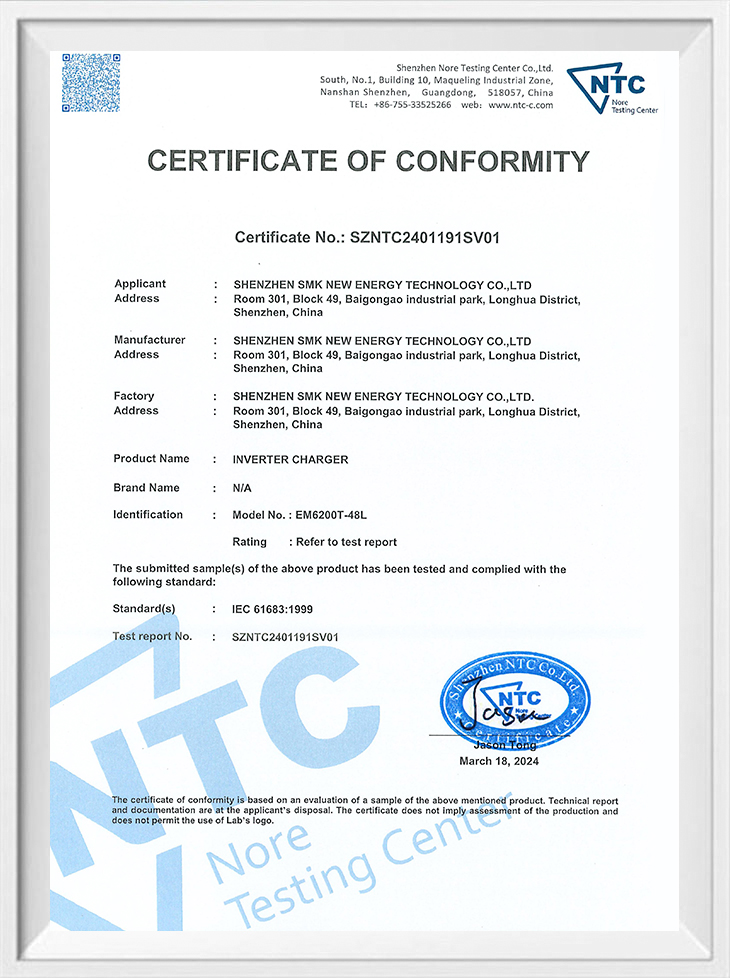
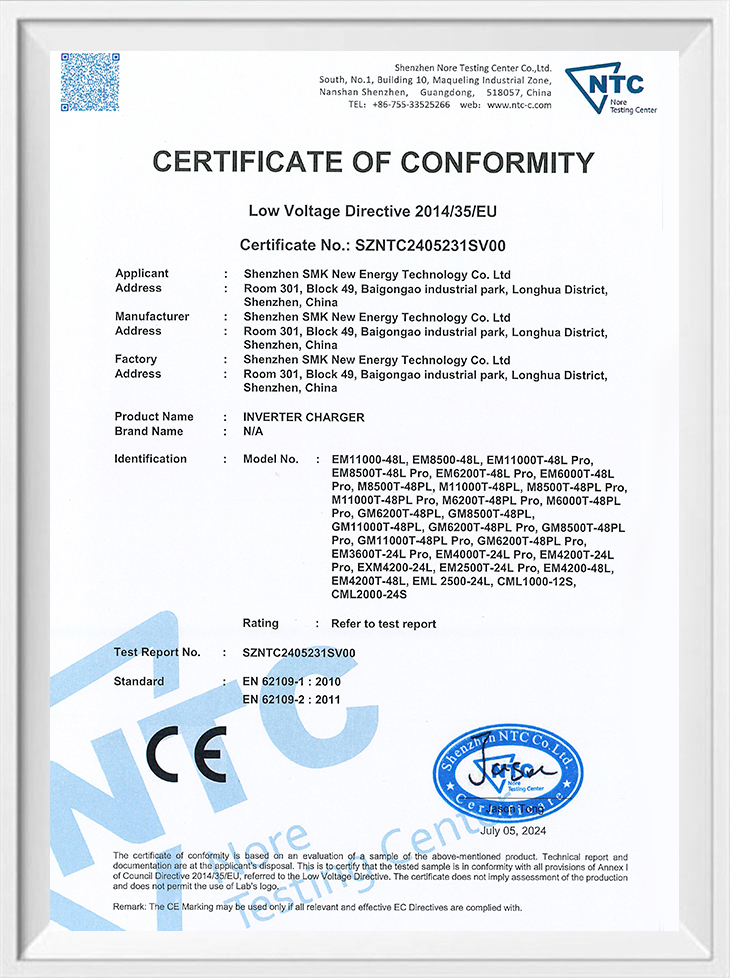
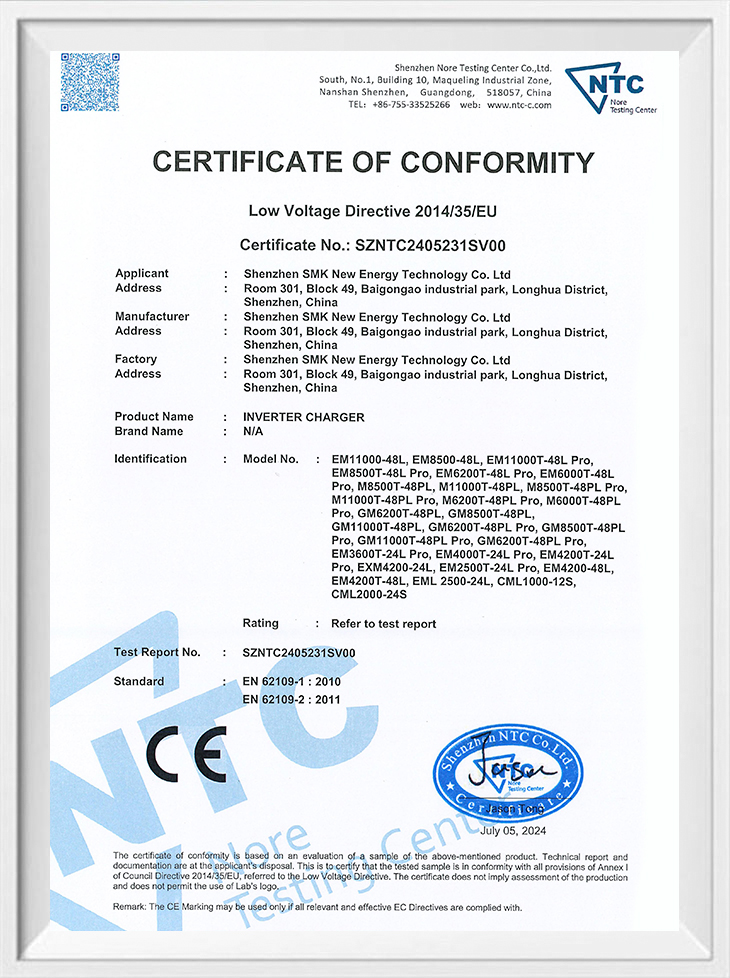
Our Updates
How Monocrystalline Solar Panels Perform in Hybrid and Off-Grid Systems
Monocrystalline solar panels are particularly well-suited for hybrid and off-grid energy systems due to their high conversion efficiency and stable output under varying load conditions. When paired with APsolway hybrid or off-grid inverters, these panels can maintain a consistent DC input voltage, which improves inverter tracking accuracy and reduces energy loss during DC-AC conversion. This becomes especially important in residential systems where energy demand fluctuates throughout the day.
In off-grid scenarios, monocrystalline panels also demonstrate stronger low-light performance, enabling earlier morning startup and extended evening generation. This directly reduces battery depth of discharge, prolonging the service life of residential energy storage systems designed by Zhejiang APsolway Technology Co., Ltd.
Temperature Coefficient Considerations for Residential Rooftop Installations
One often overlooked factor in monocrystalline solar panel selection is the temperature coefficient. High-quality monocrystalline modules typically exhibit a lower power loss rate as temperatures rise, which is critical for rooftop installations in warm or mixed climates. When integrated with APsolway inverters featuring advanced thermal management and wide MPPT voltage ranges, overall system efficiency remains stable even during peak summer conditions.
This compatibility allows installers to design systems with tighter panel spacing and higher power density without triggering inverter derating, a practical advantage for space-limited residential rooftops.
Optimizing MPPT Design for Monocrystalline Solar Panels
String Configuration and Voltage Matching
Monocrystalline solar panels typically operate at higher voltage levels compared to polycrystalline alternatives. APsolway inverters are designed with flexible MPPT channels that allow multiple string configurations, enabling installers to maximize energy harvest without exceeding inverter input limits. Proper voltage matching minimizes clipping losses and improves year-round energy yield.
- Higher string voltage reduces current loss in DC cabling
- Flexible MPPT channels support uneven roof orientations
- Improved partial shading tolerance at the system level
System-Level Compatibility Between Panels, Inverters, and Storage
In residential energy storage systems, monocrystalline solar panels should not be evaluated independently from inverters and batteries. APsolway focuses on system-level optimization, ensuring that panel output curves align with inverter MPPT behavior and battery charging profiles. This coordination reduces unnecessary DC cycling and improves round-trip efficiency in daily charge-discharge operations.
| Component | Optimization Focus |
| Monocrystalline Solar Panel | Stable voltage and high efficiency |
| APsolway Inverter | Wide MPPT range and fast tracking |
| Residential Battery | Efficient charging and reduced cycling stress |
Customization and OEM/ODM Value in Solar Panel Integration
As a Monocrystalline Solar Panel Wholesale supplier and OEM/ODM service provider, Zhejiang APsolway Technology Co., Ltd. supports customized system solutions tailored to regional grid conditions and residential usage patterns. Custom inverter firmware, communication protocols, and protection settings allow monocrystalline panels to operate closer to their optimal power point throughout the year.
This level of customization is particularly valuable for international markets with varying grid codes and self-consumption policies, enabling installers and distributors to deploy compliant, high-performance residential solar energy storage systems without extensive redesign.
- Mp: +86-13819379269 / 15726870289
- Tel: +86-573-83705988
- Fax: +86-573-83705966
- E-mail: [email protected]
- Add: 10th Floor, Haizhou Star, Xiuzhou District, Jiaxing City, Zhejiang, China 314000
 Privacy
Wholesale Monocrystalline Solar Panel Factory
Privacy
Wholesale Monocrystalline Solar Panel Factory