
 EN
EN English
 Español
 عربى
عربى


Single Phase Solar Grid Tie Inverter Suppliers
The single phase solar GTI is a commonly used inverter type in photovoltaic power generation systems, offering advantages such as robustness, reliability, and cost-effectiveness.
It converts the direct current (DC) electricity generated by solar panels into alternating current (AC) with the same frequency and phase as the grid, enabling grid connection. According to a related paper, the single-phase solar GTI can directly feed excess solar energy to the grid through net metering, thereby earning electricity bill credits. This feature helps improve solar energy utilization and allows users to benefit from excess power.
Furthermore, the inverter requires no batteries, reducing system costs and eliminating battery maintenance and replacement issues. Furthermore, with an efficiency exceeding 97%, it effectively reduces energy loss and improves the overall performance of the solar power generation system. In practical applications, the single-phase solar GTI is commonly used in small distributed power generation systems, such as residential rooftop photovoltaic power generation systems. It can be combined with photovoltaic cell modules, filters, distribution equipment, and monitoring and protection devices to form a photovoltaic grid-connected system. While meeting user electricity needs, it also feeds excess energy back to the grid, playing a significant role in optimizing the energy mix and reducing greenhouse gas emissions.
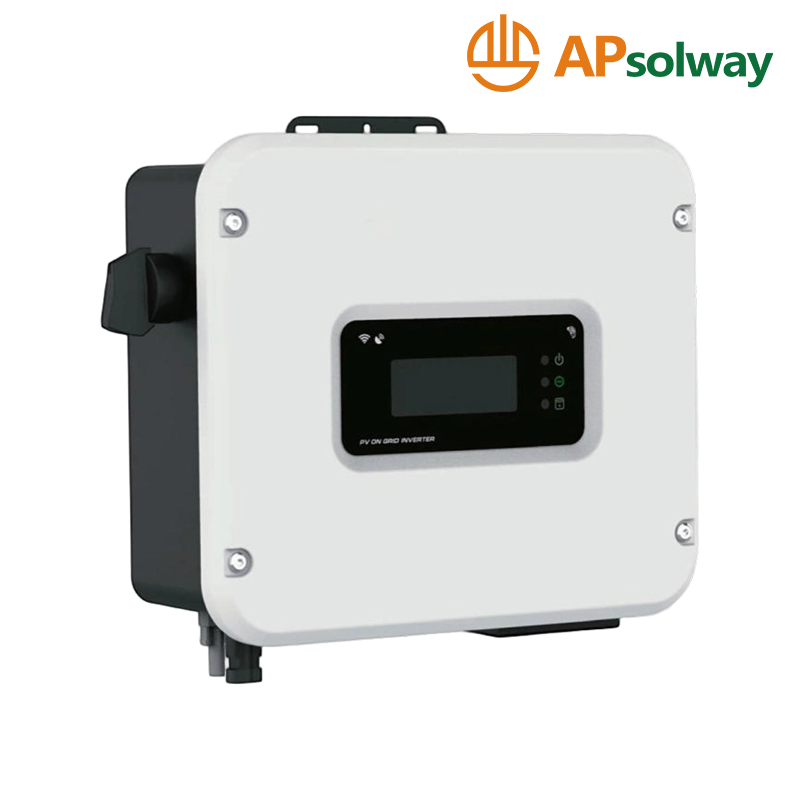

As a leading provider of residential solar energy storage solutions, APsolway stands out with innovative designs and a range of unique, differentiated features. Wholesale Single Phase Solar Grid Tie Inverters. We also offer OEM/ODM services and can deliver fully customized solutions to meet our customers’ specific needs.
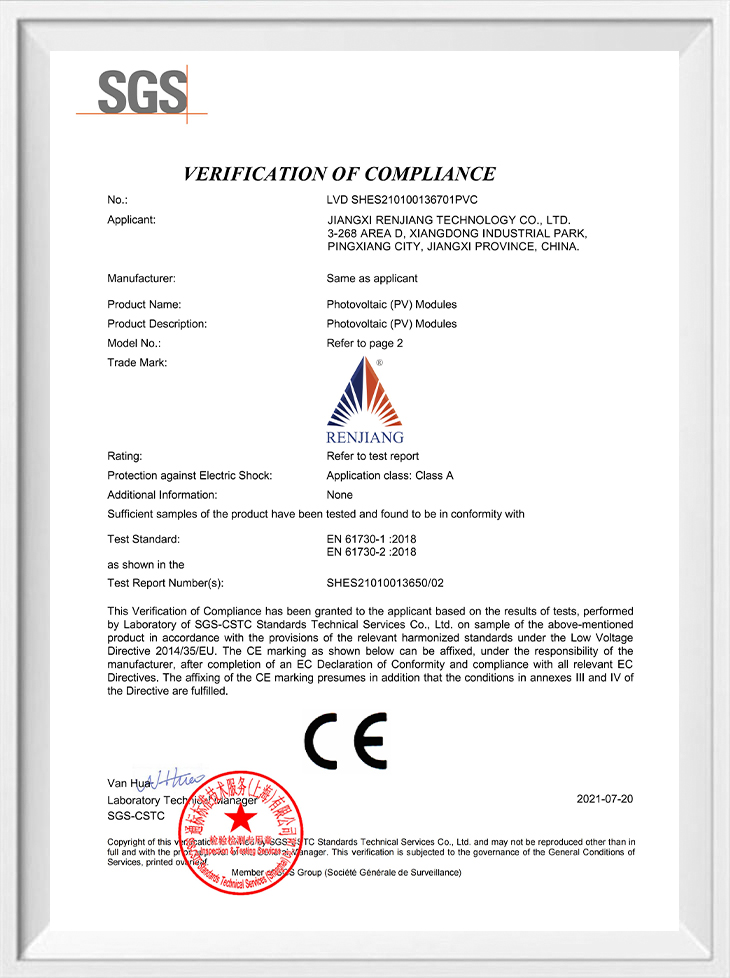
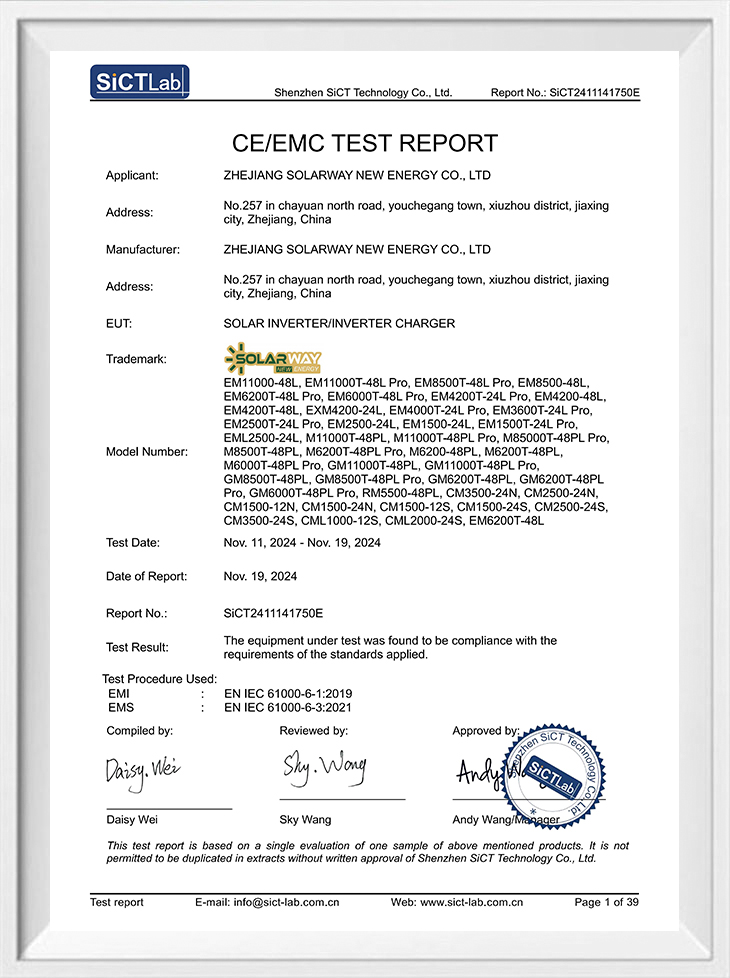
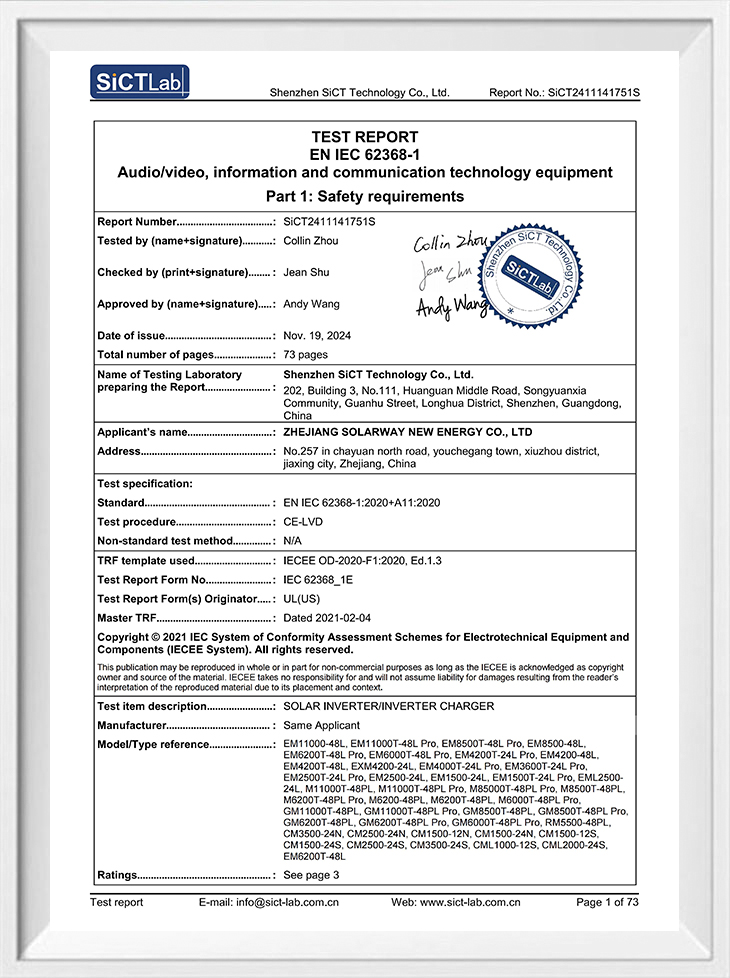
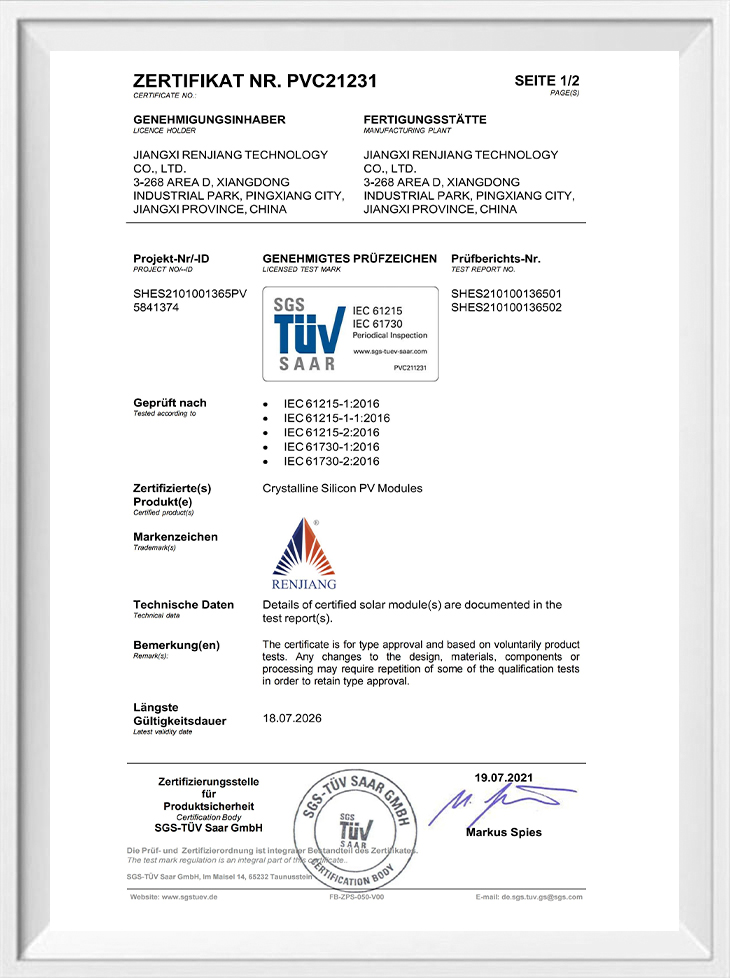
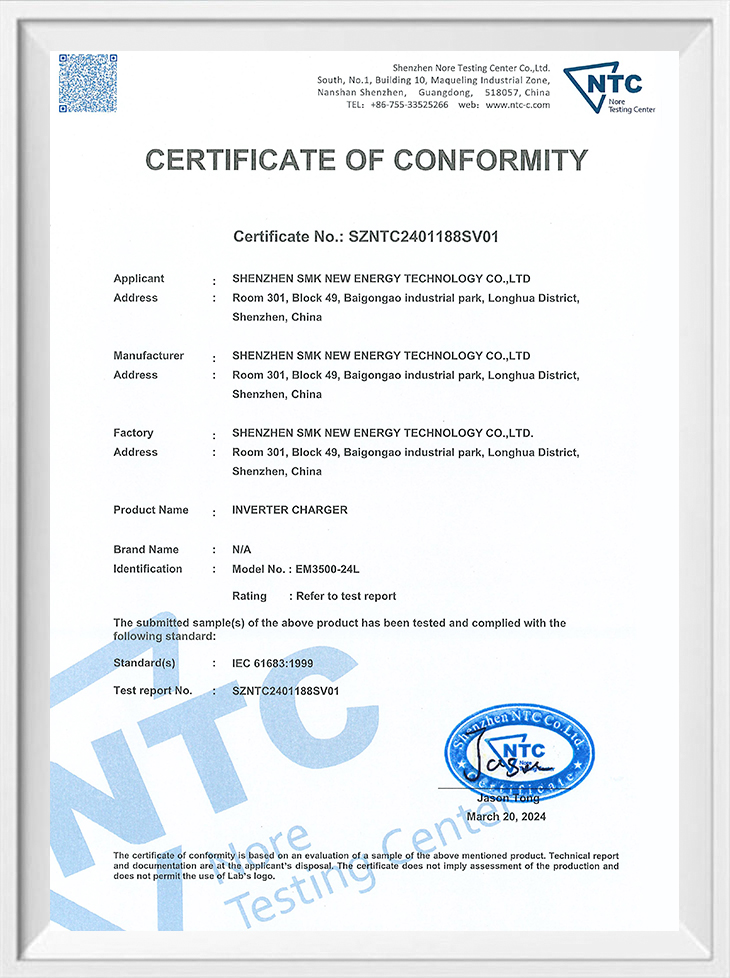
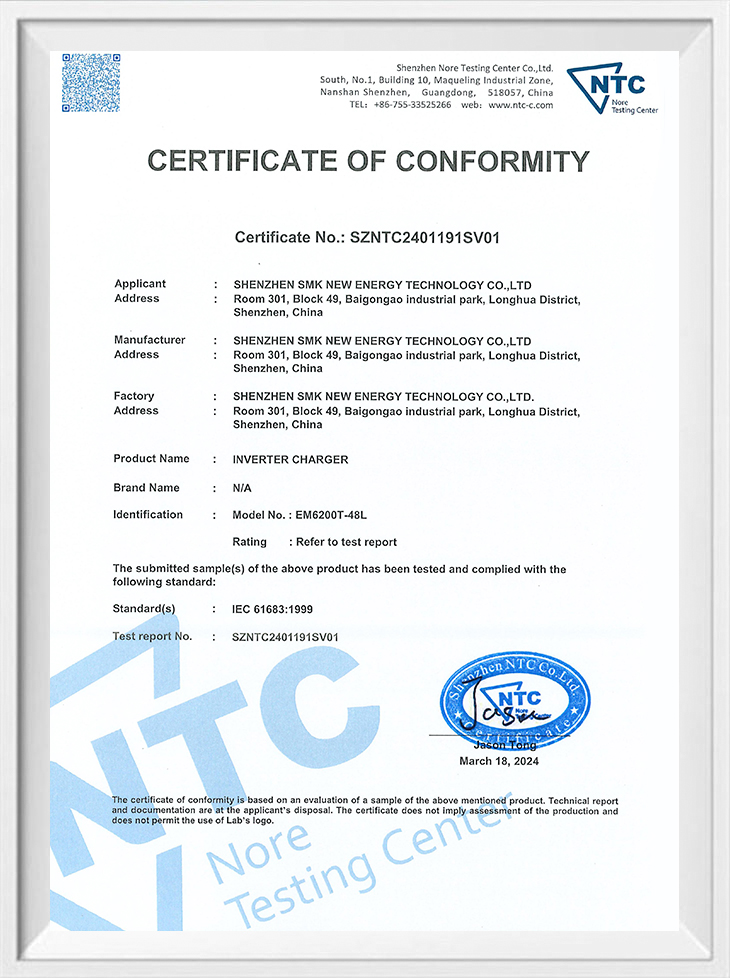
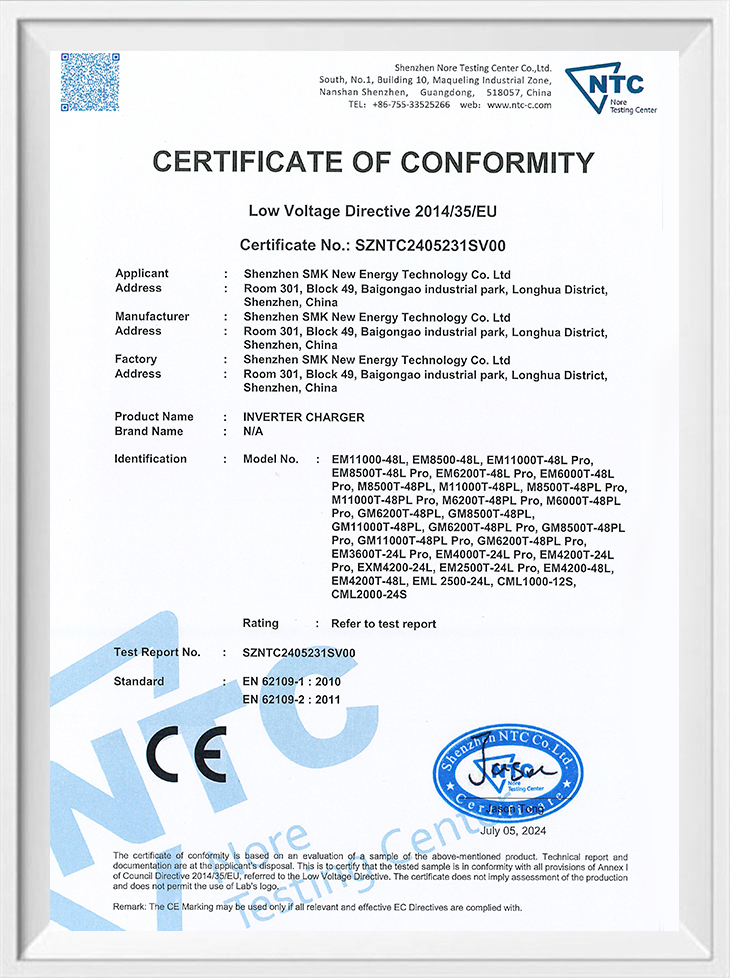
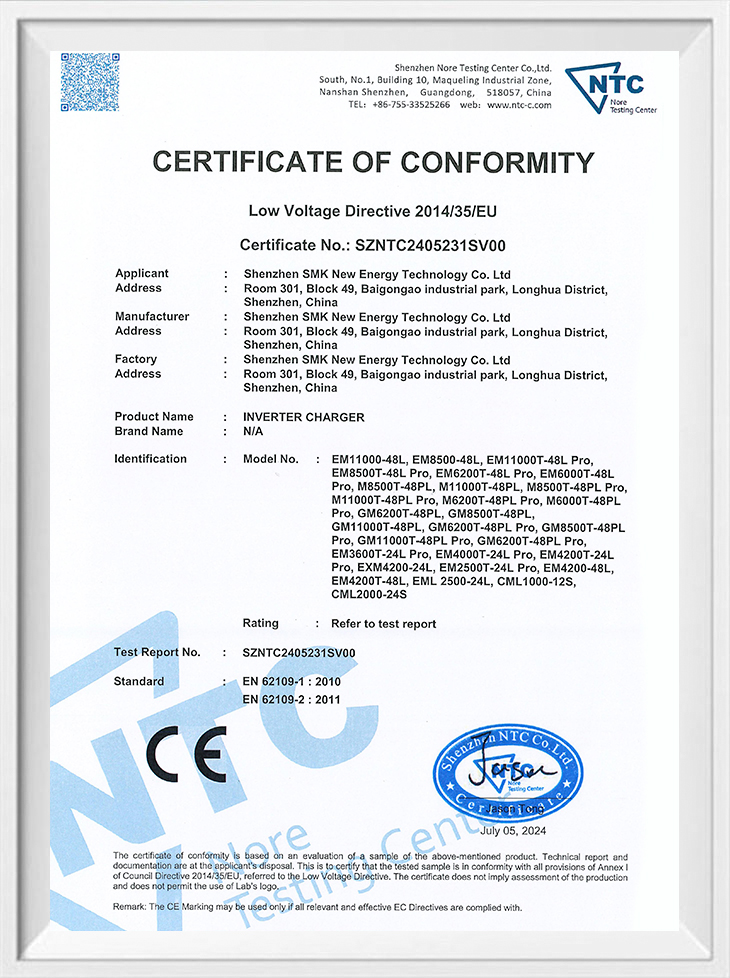
Our Updates
DC String Sizing: Staying Inside the MPPT Sweet Spot
Most “mystery underperformance” cases come from strings that rarely sit in the inverter’s MPPT operating window. Practical design starts with cold-weather Voc and hot-weather Vmp: you want cold Voc safely below max DC input, and hot Vmp still above MPPT start so tracking doesn’t drop out during heatwaves.
Quick build rules that avoid rework
- Use module datasheets at your site’s lowest temperature to calculate string Voc (include temperature coefficient).
- Avoid mixing different orientations on one MPPT; split East/West if you can to reduce mismatch loss.
- Plan for future expansion: leave headroom on DC voltage and AC breaker rating.
I like to keep the design “installer-proof”: if you send me your module model and string plan, I can sanity-check the voltage margins and keep the commissioning day smooth.
DC/AC Ratio: When Oversizing Helps (and When It Clips)
A modest DC oversize can improve annual yield because the inverter reaches efficient operating levels earlier and stays there longer. The trade-off is clipping at peak sun: occasional clipping is normal, but aggressive oversizing can waste potential in high-irradiance seasons.
What to optimize for
- Annual kWh: gentle oversizing can win in cloudy or shoulder-season climates.
- Peak export limits: if your utility caps export, oversizing may not pay back unless you use limiting.
- Thermal conditions: hot rooftops reduce module voltage and inverter headroom; design for summer reality.
Our single phase solar GTI line is built for high conversion performance (think >97% efficiency class), so you’re not “donating” energy as heat when the system is in its normal operating band.
Export Limiting and Zero-Export: Practical Use Cases
Export limiting is more than a checkbox—it’s a control strategy that can keep you compliant when the grid operator restricts backfeed. In practice, the inverter adjusts output so your meter sees a defined export value, including near zero-export configurations where required.
Where export limiting earns its keep
- Sites with “no backfeed” rules (some commercial tenants, certain rural feeders).
- Homes with small service transformers where voltage rise trips are common.
- Net-metering changes where only self-consumption is rewarded.
If your utility paperwork is strict, I’d rather ship you the right export-limiting configuration up front than have you chase compliance after installation.
Grid Behavior: Anti-Islanding, Voltage Rise, and Nuisance Trips
Single-phase inverters must synchronize tightly to the grid and disconnect quickly during abnormal conditions. The “gotcha” is that many shutdowns are not inverter faults—they’re grid-quality events like high line voltage at the point of connection (common on long cable runs or lightly loaded feeders).
How to reduce nuisance trips
- Keep AC cable runs short and appropriately sized to minimize impedance-driven voltage rise.
- Confirm your grid-code settings match the local standard before commissioning (frequency/voltage windows and reconnection timers).
- If available in your utility region, enable compliant reactive power / power factor modes to support voltage stability.
A robust GTI should protect the grid and your equipment—when tuned correctly, stable uptime is the real “feature.”
Monitoring and Communications: What Matters in Real Life
Monitoring is not just for graphs—it’s a diagnostic tool. Good telemetry helps you spot shading, string imbalance, insulation issues, and grid events without rolling a truck. For installers, it also shortens commissioning because you can verify performance remotely.
Choose comms based on the site, not preference
- Wi-Fi: best for residential routers; simplest setup if signal is strong at the single phase solar grid tie inverter.
- LAN: most reliable for long-term stability in homes and small businesses.
- GPRS/Cellular: ideal when there’s no local internet or for distributed sites.
I’m a fan of “set it once, trust it later”—that’s why we offer optional WiFi/GPRS/LAN communication paths to fit the site instead of forcing a single method.
Protection Layering: SPD, Isolation, and Breaker Coordination
A grid-tie inverter is only as reliable as the protection around it. Lightning-induced surges, poor earthing, and mismatched breaker curves can cause repeated failures that look like “bad inverters” but are actually site issues. Layer your protections so each device does its job without overlap chaos.
A practical protection stack
- DC side: correctly rated DC isolator + DC SPD where surge exposure is meaningful.
- AC side: AC isolator + AC SPD + correctly sized MCB/RCBO per local code.
- Earthing: low-impedance grounding and tidy bonding reduce nuisance leakage alarms.
If you want the system to run for years with minimal touch, protection engineering is where the quiet wins happen.
- Mp: +86-13819379269 / 15726870289
- Tel: +86-573-83705988
- Fax: +86-573-83705966
- E-mail: [email protected]
- Add: 10th Floor, Haizhou Star, Xiuzhou District, Jiaxing City, Zhejiang, China 314000
 Privacy
Single Phase Solar Grid Tie Inverters Suppliers
Privacy
Single Phase Solar Grid Tie Inverters Suppliers