
 EN
EN English
 Español
 عربى
عربى


Solar On Grid Inverters Manufacturers
Solar on-grid inverter can convert single-phase and three-phase power from 1kW to 25kW. Its advanced technology efficiently tracks the maximum power point (MPPT) of solar panels. Through an optimized algorithm, it accurately captures and locks onto the maximum output power point, significantly improving solar energy collection efficiency and significantly increasing power generation. For example, it can maintain consistently high power output even under fluctuating lighting conditions, ensuring full utilization of solar energy.
Grid-tied inverters play a vital role in ensuring grid stability. They synchronize the frequency and phase of the AC power generated by solar panels with the AC power from the grid, allowing solar energy to be smoothly integrated into the grid, avoiding impacts and maintaining stable grid operation.
Furthermore, this inverter boasts strong load-carrying capabilities, seamlessly driving a wide range of household appliances to meet daily household electricity needs. From lighting to large appliances such as refrigerators and air conditioners, it provides stable power supply, providing users with continuous and reliable power support. Moreover, when solar power generation exceeds household electricity demand, the excess electricity is automatically fed back to the grid. Users may also receive electricity subsidies or points, which not only reduces electricity costs but also contributes to the promotion and utilization of clean energy.
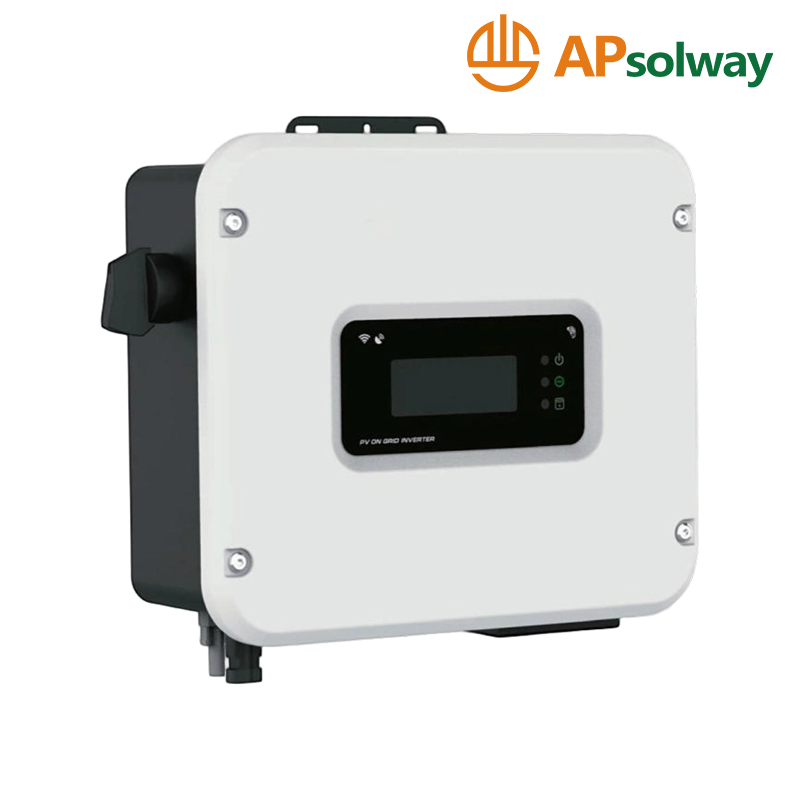
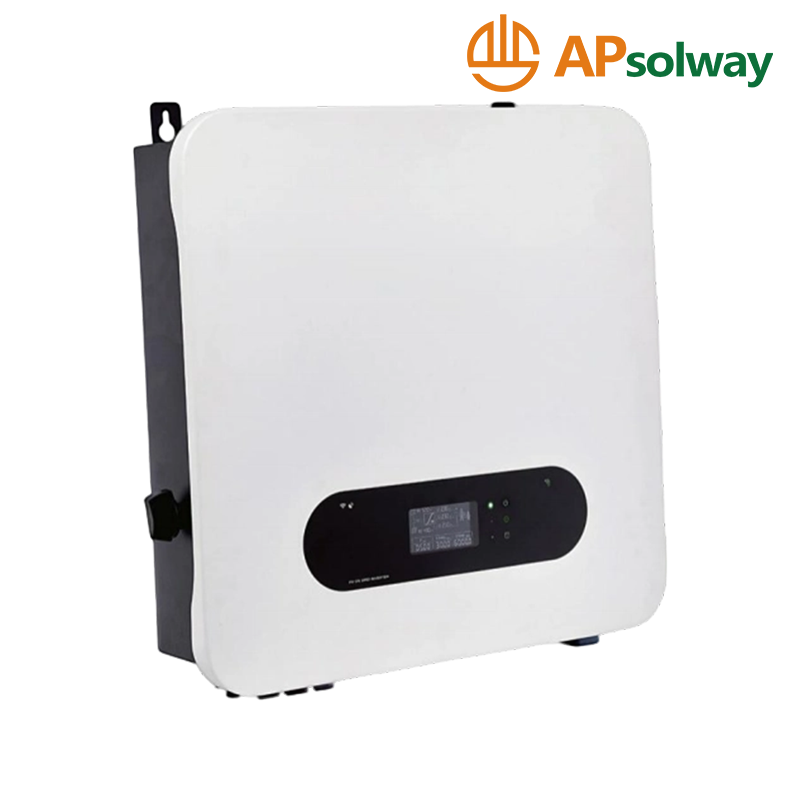
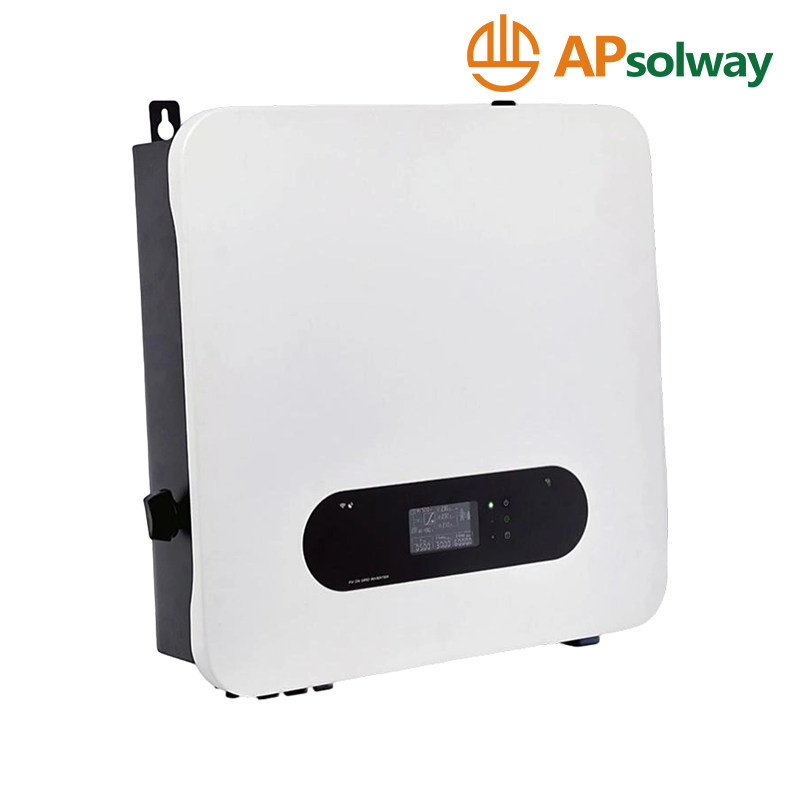

As a leading provider of residential solar energy storage solutions, APsolway stands out with innovative designs and a range of unique, differentiated features. Custom Grid Tie Inverters. We also offer OEM/ODM services and can deliver fully customized solutions to meet our customers’ specific needs.
Our Updates
MPPT behavior: what actually improves kWh on real roofs
When comparing solar on-grid inverters, don’t just look at “has MPPT.” What matters is how MPPT is applied to your roof geometry (different orientations, partial shade, uneven string lengths). A good MPPT algorithm should lock onto the true maximum power point quickly as irradiance changes (cloud edges, morning/evening angles), so you spend less time hunting and more time generating.
Practical design checks I recommend before you choose a model
- If you have multiple roof planes, prioritize models/configurations that let you separate strings by orientation (east/west, south/north).
- Avoid mixing shaded and unshaded modules in the same string—MPPT can’t “fix” a poorly grouped array.
- Ask for the inverter’s MPPT operating voltage window and verify your string voltage sits comfortably inside it for most of the day.
If you send me your module datasheet and string plan, I can help you sanity-check the MPPT window match—small tweaks here often deliver a surprisingly visible gain.
DC/AC ratio: how to size PV to a grid-tie inverter without wasting money
Oversizing the PV array relative to inverter AC power is common because modules rarely produce nameplate power for long. The goal is to increase annual energy without excessive clipping. In many residential cases, a moderate DC/AC oversize can improve yield, but you must respect inverter limits—especially maximum DC voltage and MPPT current per input.
What you should verify (and what I look for)
- Cold-weather Voc of the string must stay below the inverter’s max DC voltage (use your site’s lowest historical temperature).
- String current at high irradiance should not exceed the inverter’s input current rating (module Isc × safety factor is the usual approach).
- If you expect frequent clipping (very oversized DC), confirm the inverter’s thermal design and derating behavior so summer performance doesn’t disappoint.
Our solar on-grid inverter line covers single-phase and three-phase options across roughly 1kW to 25kW, which gives you room to match the inverter to the grid service and PV size instead of forcing compromises.
Grid-code realities: anti-islanding, power factor, and “grid support” features
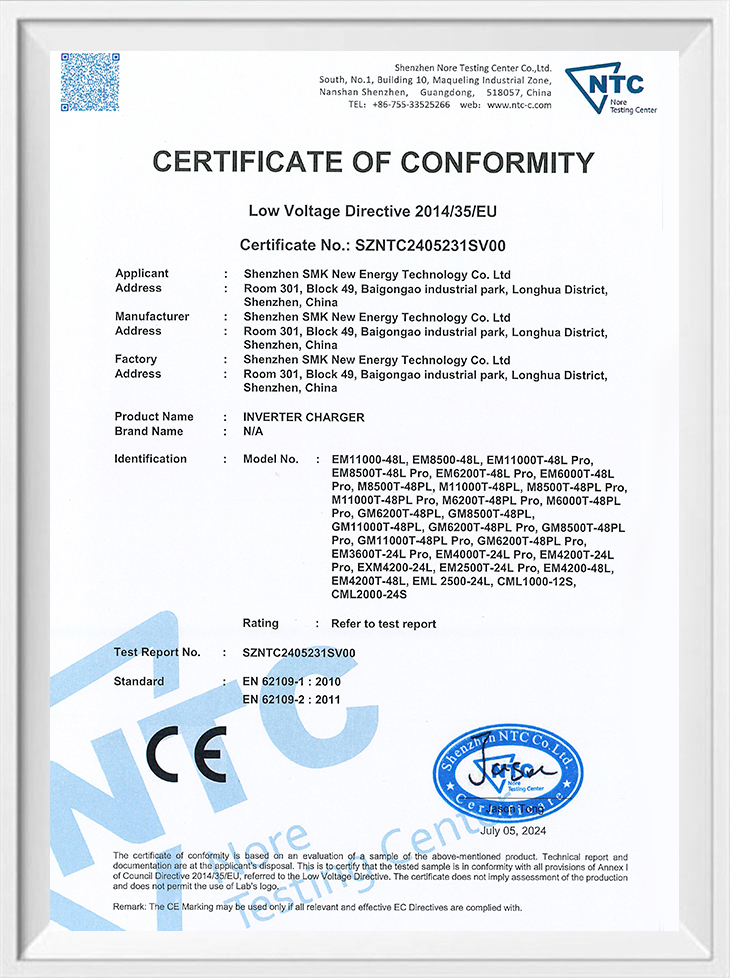
A grid tie inverter is not only a DC/AC converter—it’s also a grid-interactive power electronics device. Utilities typically require anti-islanding (rapid shutdown of export when the grid is absent) and may require reactive power / power factor control to support voltage regulation. These requirements vary by country and sometimes by utility.
Questions worth asking your installer or EPC
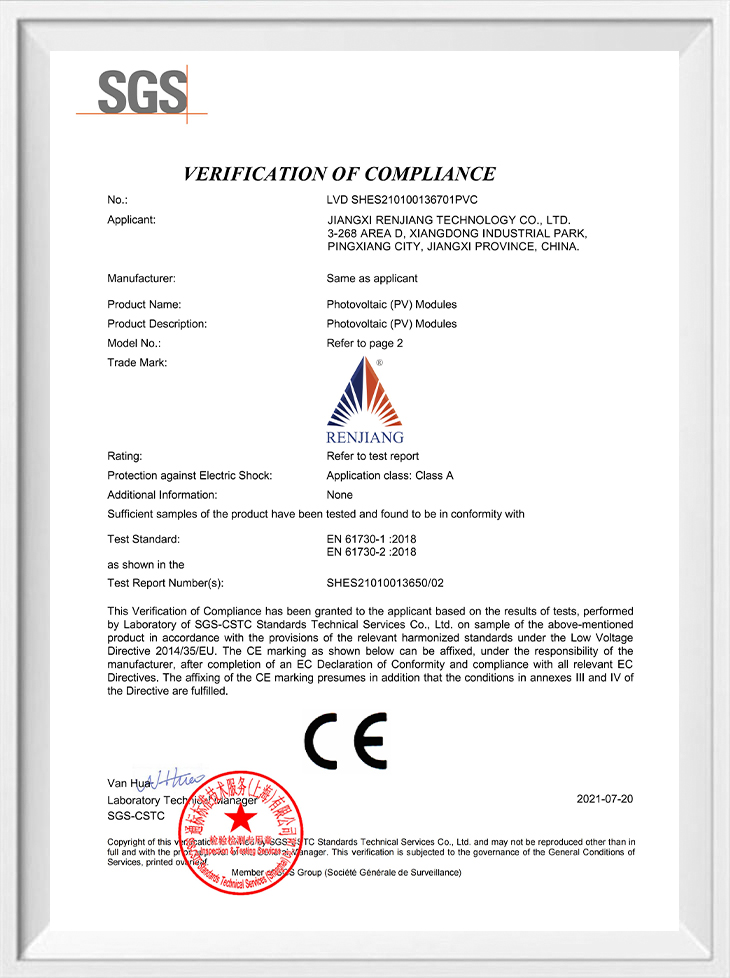
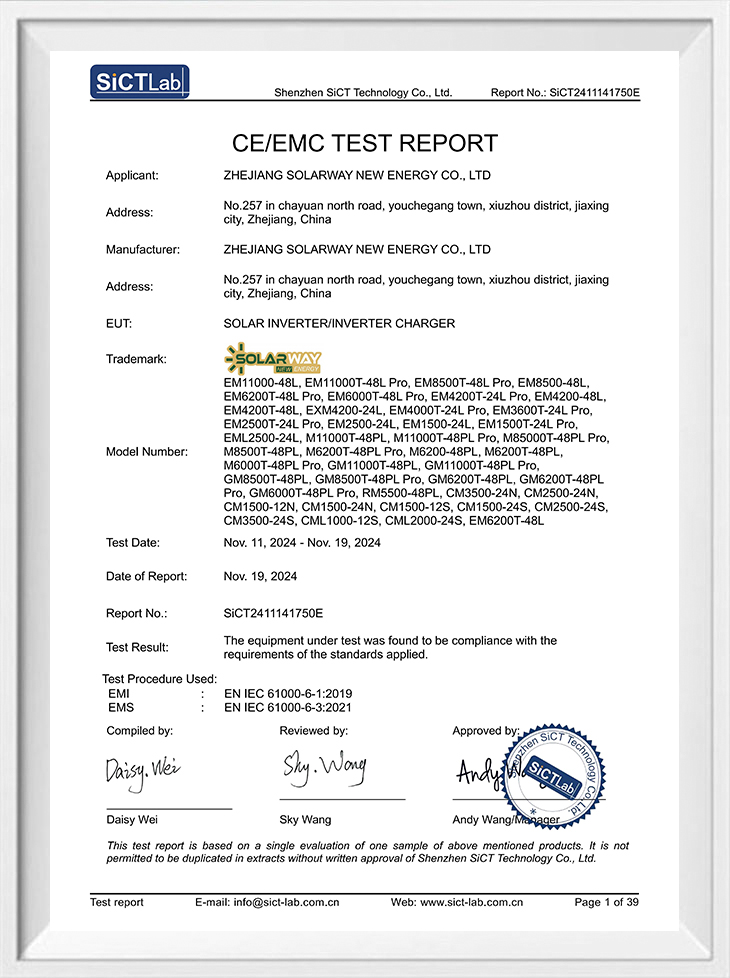
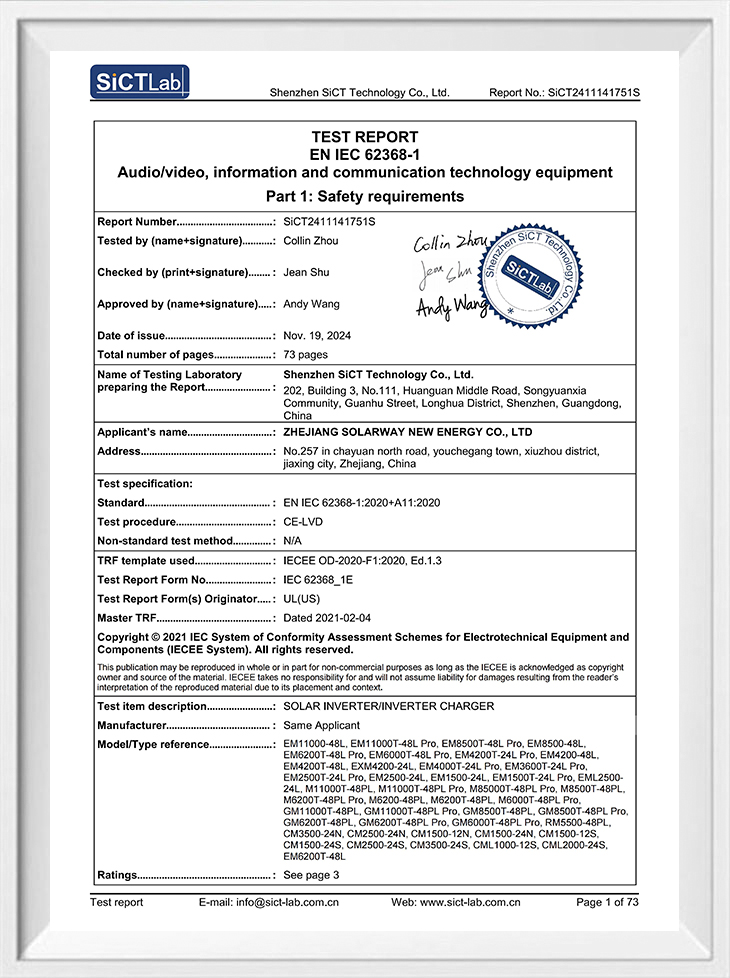
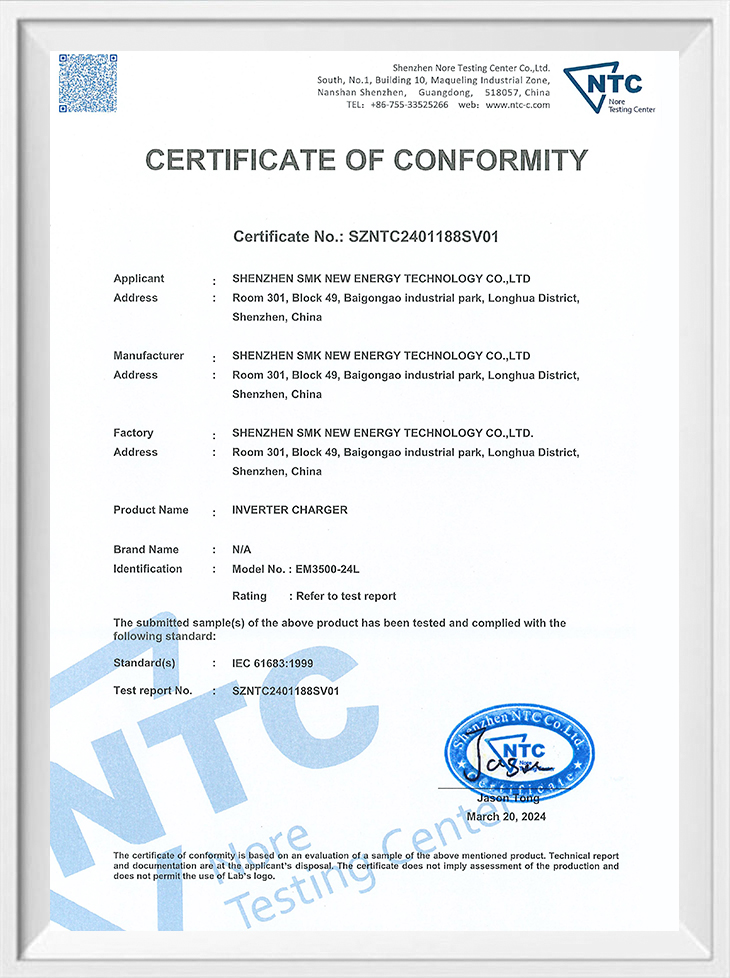
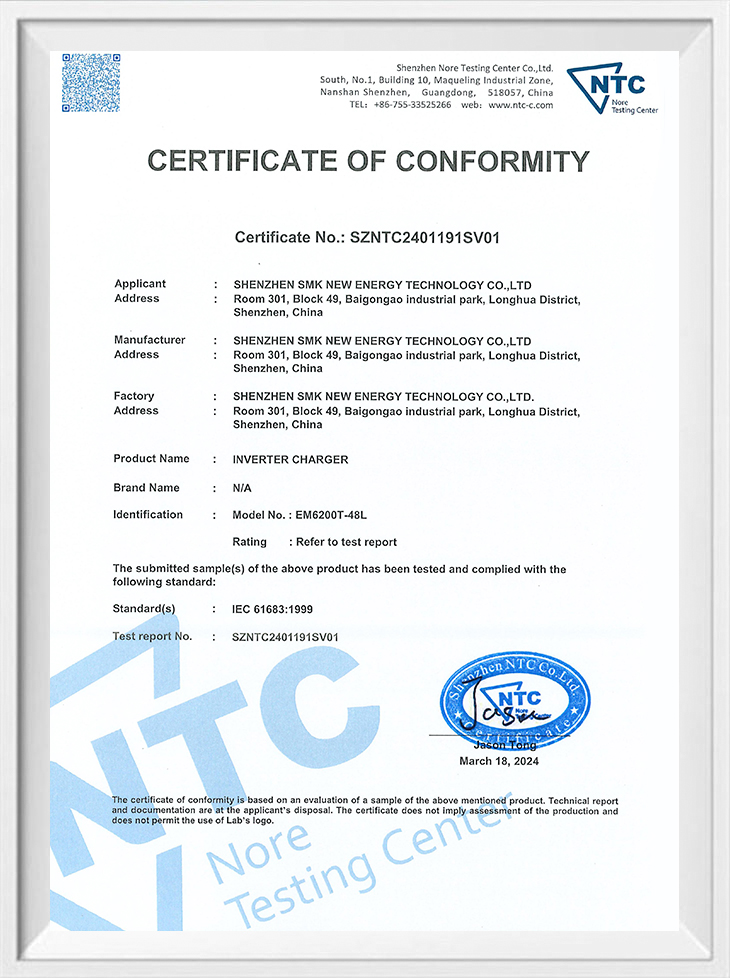
- Which interconnection standard applies locally, and which test reports/certifications are needed for approval?
- Is fixed power factor acceptable, or do you need dynamic reactive power (Volt-VAR) capability?
- Are there limits on export power, ramp rates, or mandatory remote disconnect/monitoring?
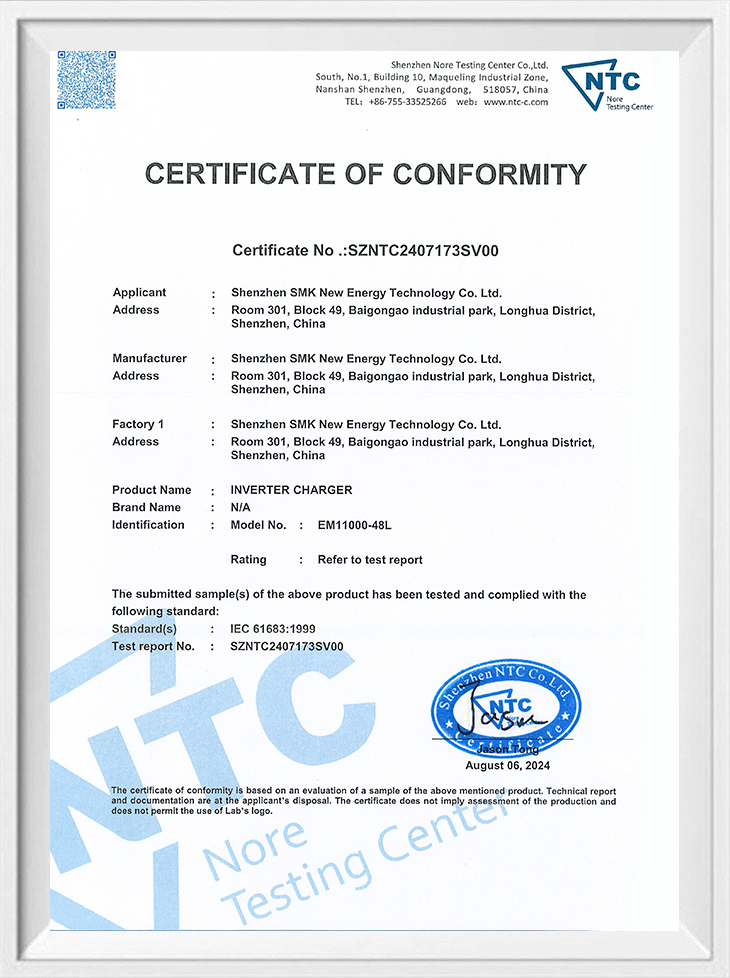
I like to keep this simple: if your project needs grid approval, treat compliance paperwork as a “must-have spec,” not an afterthought.
Export limiting and “zero export”: how it works and when buyers need it
In regions without net metering (or where backfeed is restricted), export limiting is the practical workaround: the inverter adjusts output so the site consumes PV power locally without sending excess to the grid. This typically relies on a meter/CT sensor at the point of interconnection to measure real-time flow.
Field tips that prevent 90% of “export limit not working” issues
- CT orientation matters—reversed CTs can cause the inverter to chase the wrong direction and oscillate.
- Place the sensor at the correct point (utility interface vs. subpanel) to match the intended control boundary.
- Confirm whether the export limit target is “zero,” “fixed kW,” or “percentage” and ensure the settings are locked after commissioning.
If you’re planning a grid-tie system in a restricted-export area, tell me your utility rule and panel layout—I’ll steer you toward the right configuration without overcomplicating it.
- Mp: +86-13819379269 / 15726870289
- Tel: +86-573-83705988
- Fax: +86-573-83705966
- E-mail: [email protected]
- Add: 10th Floor, Haizhou Star, Xiuzhou District, Jiaxing City, Zhejiang, China 314000
 Privacy
OEM/ODM Solar On Grid Inverters Manufacturers
Privacy
OEM/ODM Solar On Grid Inverters Manufacturers