
 EN
EN English
 Español
 عربى
عربى


Three Phase Solar GTI Suppliers
The Three Phase Solar GTI is a core component in solar power generation systems. Its key advantage lies in its efficient DC-to-AC conversion and balanced energy distribution across the three-phase circuit. After the DC power generated by the photovoltaic panels enters the GTI, it is synchronously rectified and inverted across the three phases A, B, and C through an advanced power electronics topology. This achieves conversion efficiency exceeding 96%, maintaining stable output even during fluctuating sunlight conditions, and avoiding the energy loss common with single-phase models.
The three-phase GTI is particularly advantageous in industrial plants and commercial buildings with heavy loads (such as large motors and central air conditioners). It dynamically adjusts energy distribution based on the real-time demand of each phase, preventing overloads on a single phase from triggering protection mechanisms and ensuring the continued operation of critical equipment such as production lines and refrigeration systems. For example, if a machine tool in a certain area of the workshop suddenly starts up, the GTI can direct more power to the corresponding phase within 0.1 seconds, maintaining a three-phase voltage balance within ±2%.
In terms of profitability, the three-phase GTI maximizes profits through precise net metering. It monitors the grid's interaction status in real time. When solar power generation exceeds self-consumption, the excess energy is fed back to the grid at a standard phase angle, with a metering accuracy of 0.5, ensuring that every kilowatt-hour of electricity can be exchanged for grid credits at the market price. For high-energy-consuming enterprises, this "self-generation for own use, surplus power to the grid" model can reduce annual electricity bills by 30%-50%.
Furthermore, its built-in phase-locked loop (PLL) technology achieves millisecond-level synchronization with the grid, ensuring high consistency in output voltage and frequency, effectively suppressing harmonic interference (total harmonic distortion < 3%) and minimizing impacts on grid stability. More importantly, the three-phase GTI utilizes a storage-free design, directly connecting to the grid. This eliminates the cost of purchasing, maintaining, and replacing batteries, while also preventing system efficiency degradation due to battery lifespan degradation, reducing overall operation and maintenance costs by approximately 40%.
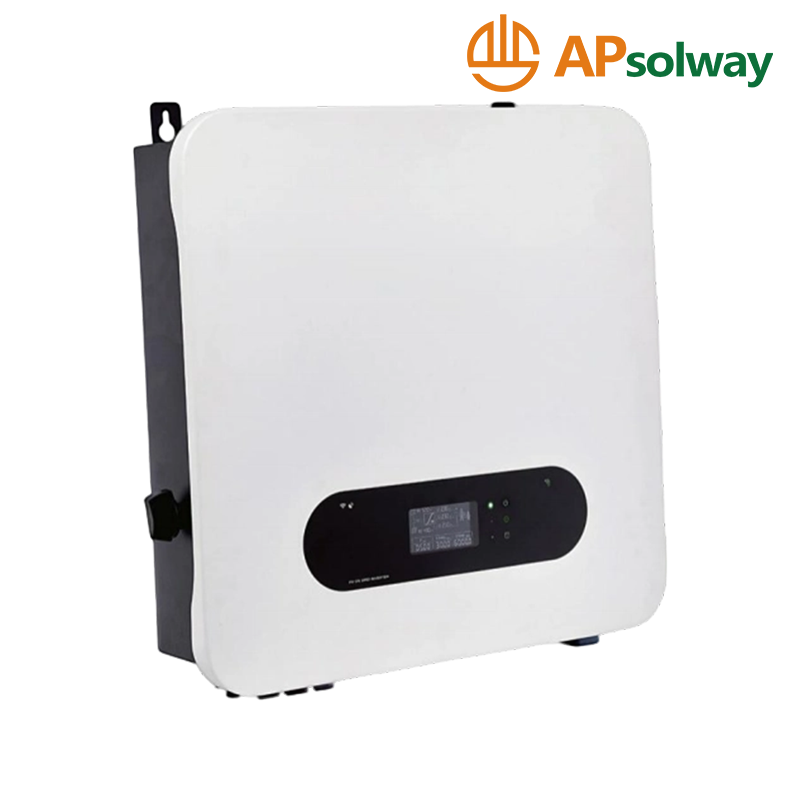
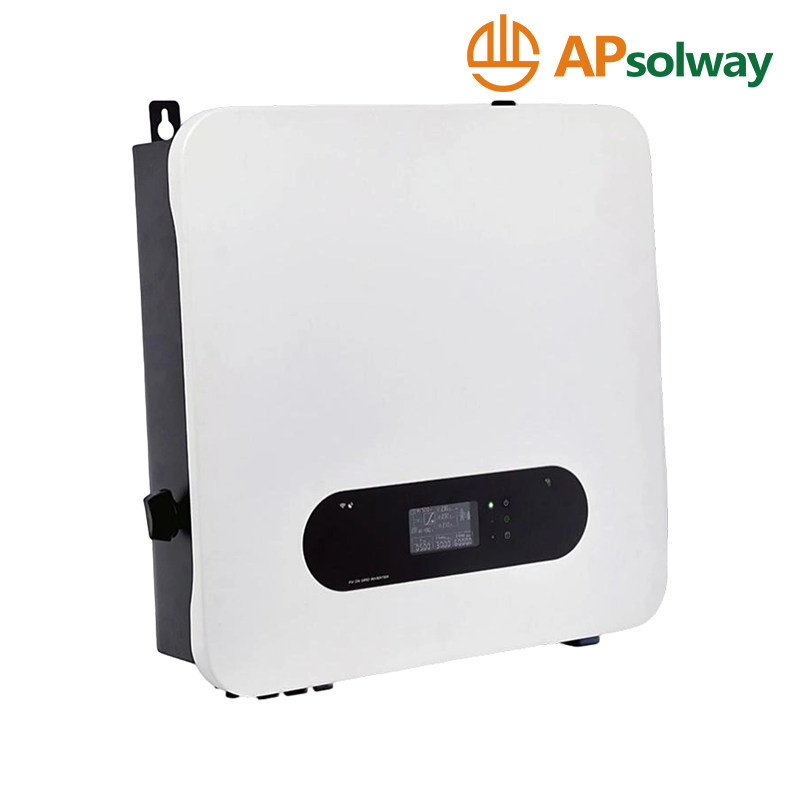

As a leading provider of residential solar energy storage solutions, APsolway stands out with innovative designs and a range of unique, differentiated features. Wholesale Three Phase Solar Grid Tie Inverters. We also offer OEM/ODM services and can deliver fully customized solutions to meet our customers’ specific needs.
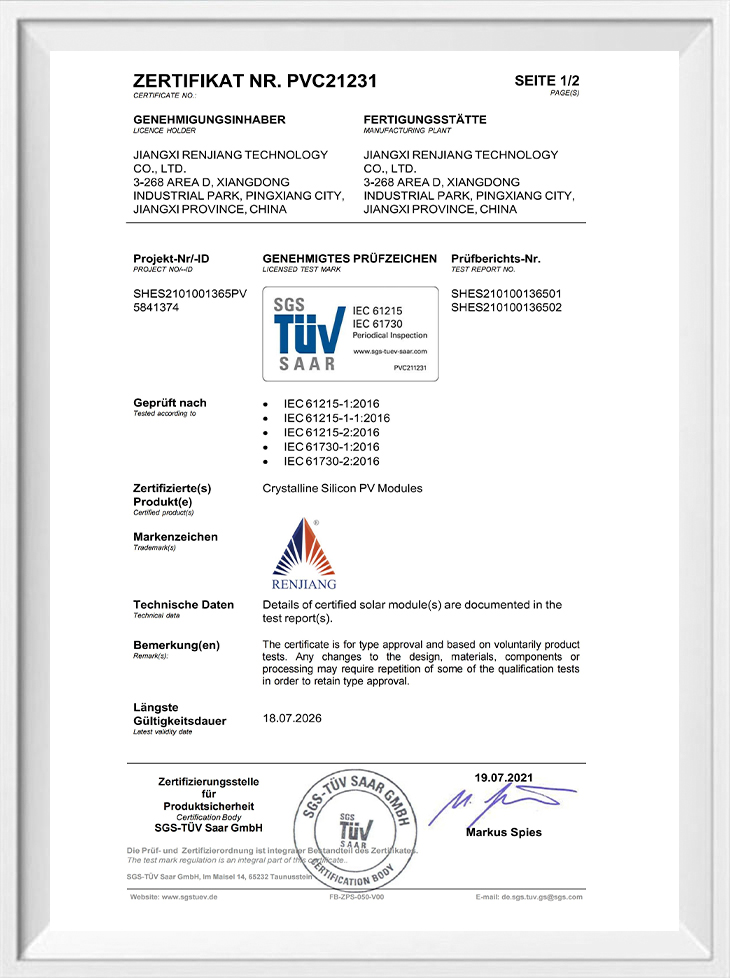
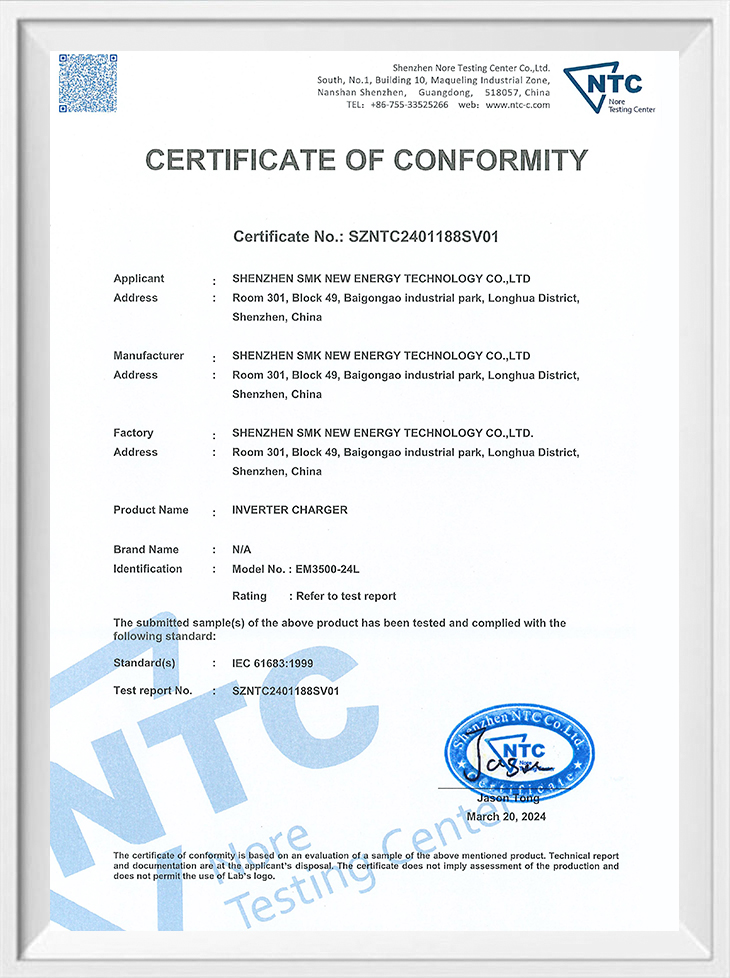
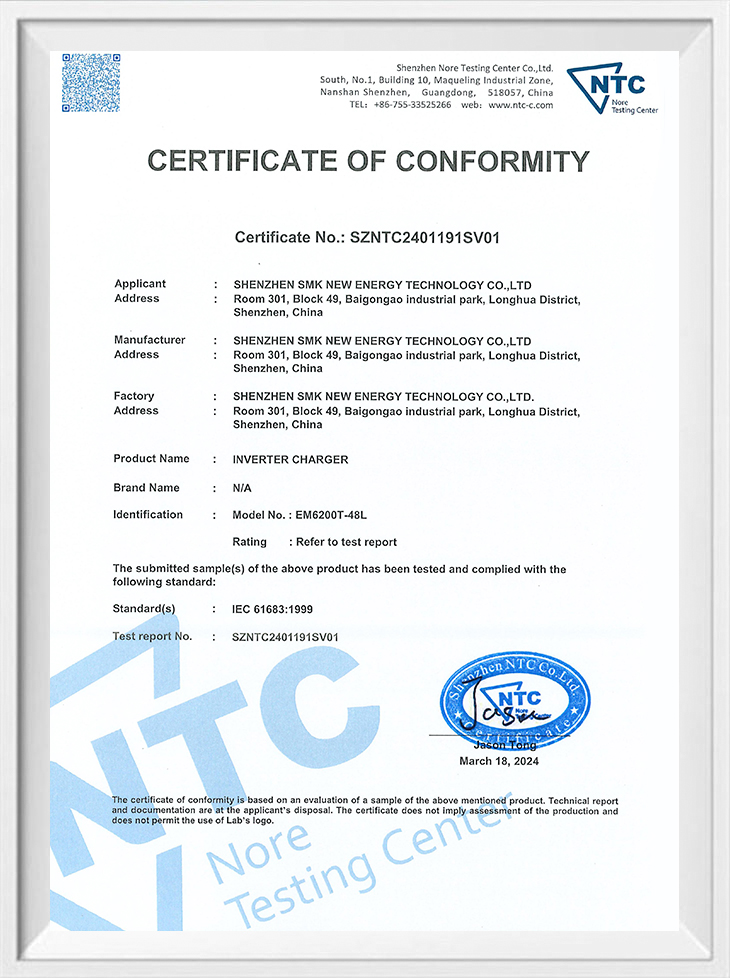
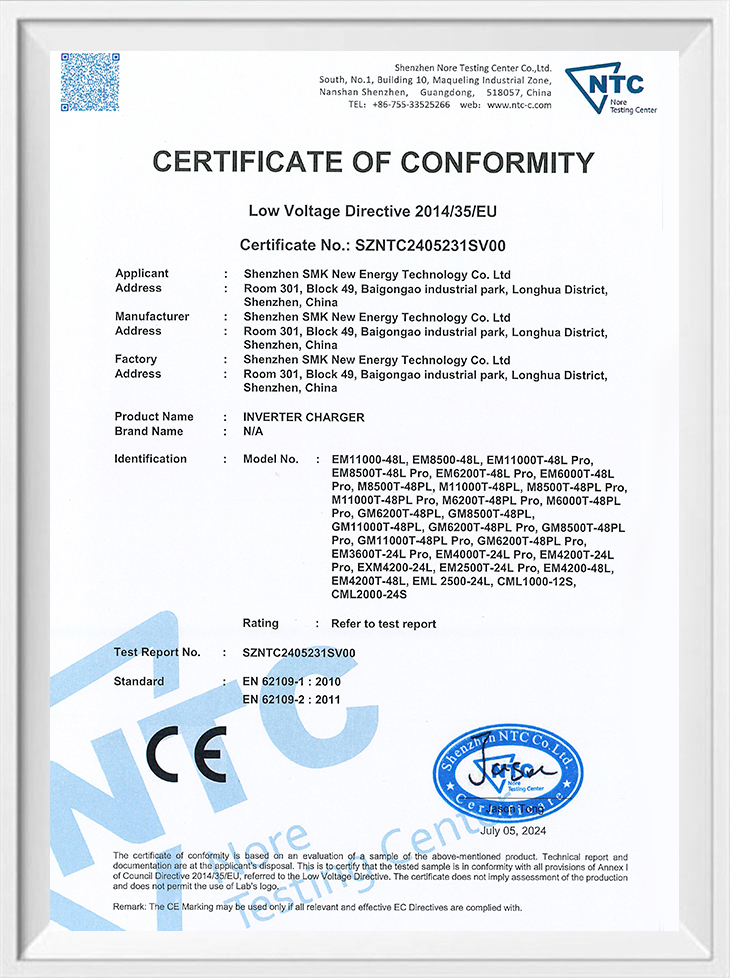
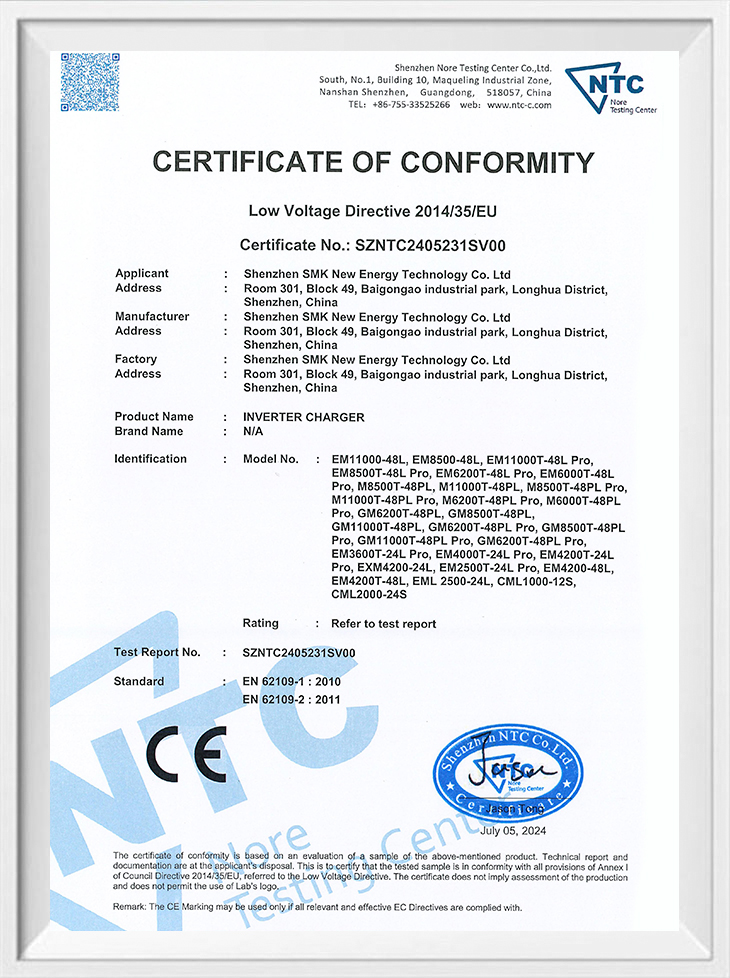
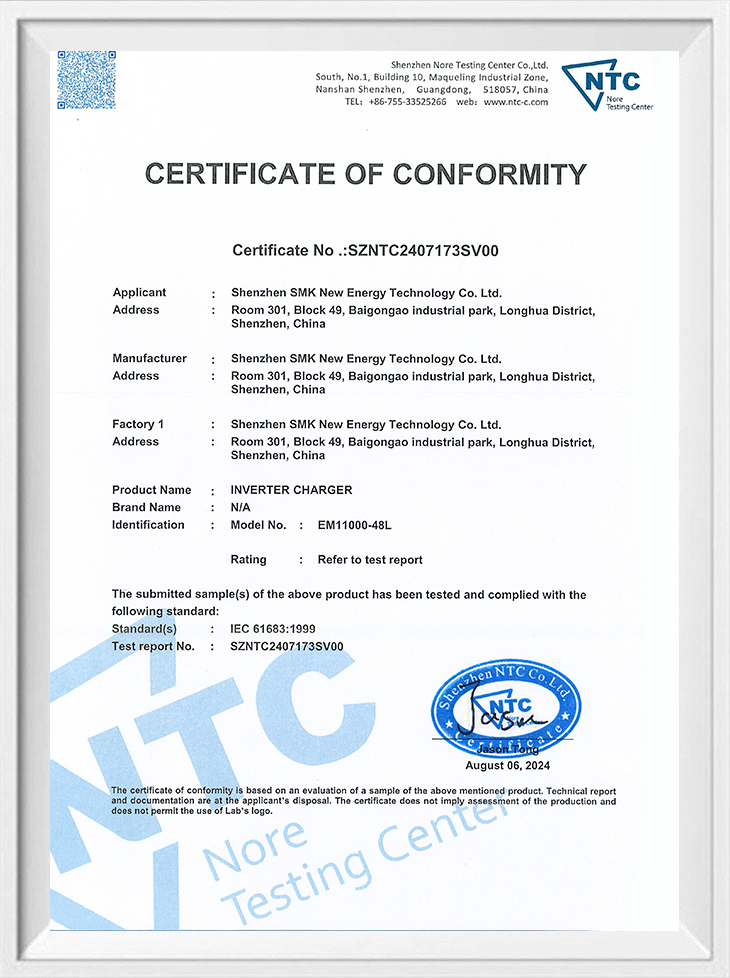
Our Updates
Phase balancing and why it matters for real loads
In three-phase sites, the “hidden” performance lever is phase balance. A well-tuned three-phase solar GTI can redistribute power across phases fast enough to keep nuisance trips down when large inductive loads (motors, chillers, compressors) start and stop.
For buyers comparing models, pay attention to balance response and output stability under sudden load changes. In our product line, we target rapid phase reallocation (≈0.1 s) and keep phase voltage balance tight (commonly within ±2%) so production equipment sees fewer “mystery” interruptions.
- If your loads are uneven by nature (workshop zones, mixed HVAC schedules), prioritize dynamic balancing over “headline kW.”
- Ask how the inverter behaves when one phase spikes—some units derate globally instead of shifting intelligently.
- On sites with sensitive drives/VFDs, stable phase relationships reduce protective shutdowns and recalibration events.
DC/AC sizing: a practical oversizing window
String inverters spend a lot of time below nameplate power (cloud edges, mornings, haze). A controlled DC oversize can boost kWh yield without changing interconnection capacity, but too much oversize increases clipping and thermal stress.
A quick rule-of-thumb buyers actually use
For many commercial rooftops, a DC/AC ratio of ~1.1–1.3 is a common starting range, then tuned by local irradiance, module orientation, and expected ambient temperature. If your region is hot or your array faces west, keep headroom for thermal derating.
- Higher DC/AC can increase annual yield, but expect midday clipping on clear days.
- Derating behavior is as important as peak efficiency—ask for a power vs. temperature curve.
- Cable sizing and combiner design must match the higher DC current scenario.
Power quality: harmonics, PLL sync, and “quiet” operation
Grid operators care about clean waveforms and stable synchronization. A strong phase-locked loop (PLL) helps the inverter lock to grid voltage/frequency quickly and remain stable during minor grid disturbances.
When comparing options, look for total harmonic distortion performance; keeping THD below 3% is a practical benchmark for minimizing interference with other equipment and avoiding grid-side complaints.
| Checkpoint | What “good” looks like | Why it helps you |
|---|---|---|
| THD at rated output | < 3% | Reduces nuisance issues with sensitive loads and grid complaints |
| Grid synchronization (PLL) | Fast, stable lock under minor disturbances | Avoids dropouts and improves reconnection behavior |
| Phase voltage balance | Within ±2% under changing loads | Improves stability for motors, HVAC, and production lines |
Net metering and export behavior: don’t leave money on the table
Three-phase solar GTI projects often win on economics by maximizing self-consumption while exporting clean surplus power. A practical detail: accurate energy measurement and stable phase-angle control affect how reliably the meter registers exported kWh.
In grid-tied setups with surplus export, tighter metering can protect your payback—our approach emphasizes precise monitoring (often around 0.5-class metering) so exported energy is properly credited where policies allow. Done right, “self-use first, export the rest” can reduce annual electricity costs by 30%–50% on high-consumption sites.
- If your utility enforces export limits, ask about power limiting capability and stability during rapid load swings.
- Validate that monitoring reports match revenue-grade meter readings closely (spot-check early).
- Export rules vary—choose equipment that can adapt to site policies without “hacking” the system.
Protection coordination: AC/DC SPD, breakers, and grounding details that prevent failures
Most premature inverter problems are installation-side: surge exposure, incorrect PE/N bonding assumptions, or undersized protection devices. For three-phase rooftops, lightning-induced surges and switching spikes are common stressors.
What to specify in your BoM
- DC side: correctly rated DC isolator, string fusing (where required), and DC SPD matched to your array voltage class.
- AC side: three-phase breaker sizing aligned with continuous current and local derating rules; AC SPD at the inverter and/or main distribution board as site risk dictates.
- Grounding/earthing: low-impedance PE path, correct bonding per local code, and clean cable routing to reduce surge coupling.
If you want fewer callbacks, this is the section to obsess over—our customers often tell us good SPD and grounding choices are the cheapest “insurance” on the whole system.
Battery-free grid-tie design: operational cost trade-offs
A pure grid-tied inverter typically avoids battery complexity: no cycle aging, no replacement schedule, and fewer thermal management constraints. For many commercial owners, this simplification is the real ROI driver.
By eliminating battery maintenance and replacement, overall operation and maintenance effort can drop significantly—often quoted around ~40% lower O&M burden compared with storage-heavy architectures. If your goal is clean energy cost reduction (not backup power), a storage-free GTI is usually the most straightforward path.
- Be clear on expectations: a standard grid-tie inverter typically stops producing when the grid is down (anti-islanding protection).
- If you need backup, consider hybrid architectures or AC-coupled solutions designed for islanding.
- For pure savings, invest budget into array quality, protection, and monitoring rather than batteries.
- Mp: +86-13819379269 / 15726870289
- Tel: +86-573-83705988
- Fax: +86-573-83705966
- E-mail: [email protected]
- Add: 10th Floor, Haizhou Star, Xiuzhou District, Jiaxing City, Zhejiang, China 314000
 Privacy
Three Phase Solar GTI Suppliers
Privacy
Three Phase Solar GTI Suppliers