
 EN
EN English
 Español
 عربى
عربى


Rack-Mount Lithium Battery Suppliers
Rack-mount lithium batteries are lithium-ion battery energy storage units designed for rack installation. They offer numerous advantages and are widely used in the energy storage sector.
They utilize a modular structure, typically designed for a standard 19-inch rack, for quick installation and reduced deployment time and space. This design also facilitates expansion, allowing users to flexibly add or remove battery modules to adjust capacity based on actual needs.
Rack-mount lithium batteries have high energy density, storing a large amount of energy per unit volume or mass, enabling them to provide a large amount of power within a limited space. They also offer a long lifespan, typically achieving over 6,000 deep cycles (80% depth of discharge) and a service life of over 10 years, reducing long-term operating costs.
These batteries integrate an intelligent battery management system (BMS) that monitors battery voltage, current, temperature, and other status in real time. They also include multiple protection features, including overcharge, over-discharge, overcurrent, and short-circuit protection, to ensure safe system operation. At the same time, it is seamlessly compatible with solar inverters and UPS systems, and can be widely used in household energy storage systems, small industrial and commercial energy storage, data centers and other scenarios, realizing functions such as solar energy storage, peak-valley electricity price arbitrage, and backup power supply guarantee.
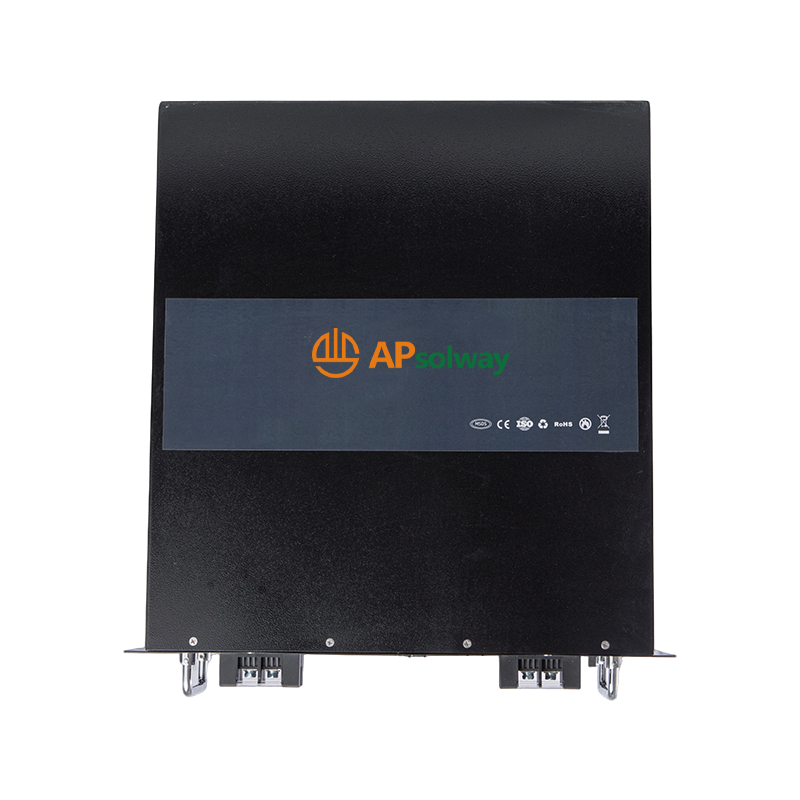
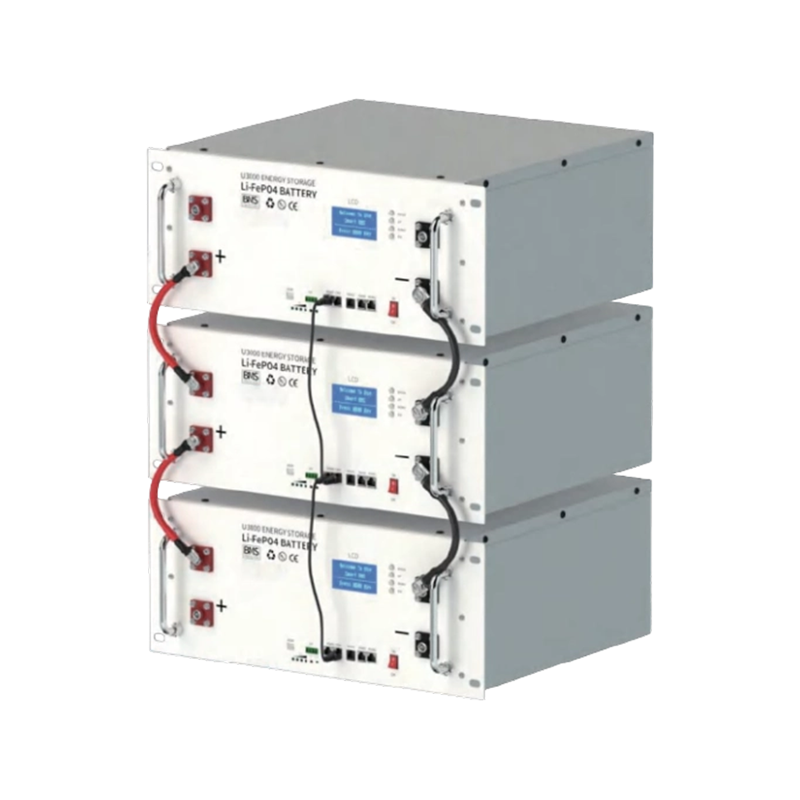

As a leading provider of residential solar energy storage solutions, APsolway stands out with innovative designs and a range of unique, differentiated features. Rack-Mount Lithium Battery Wholesale. We also offer OEM/ODM services and can deliver fully customized solutions to meet our customers’ specific needs.
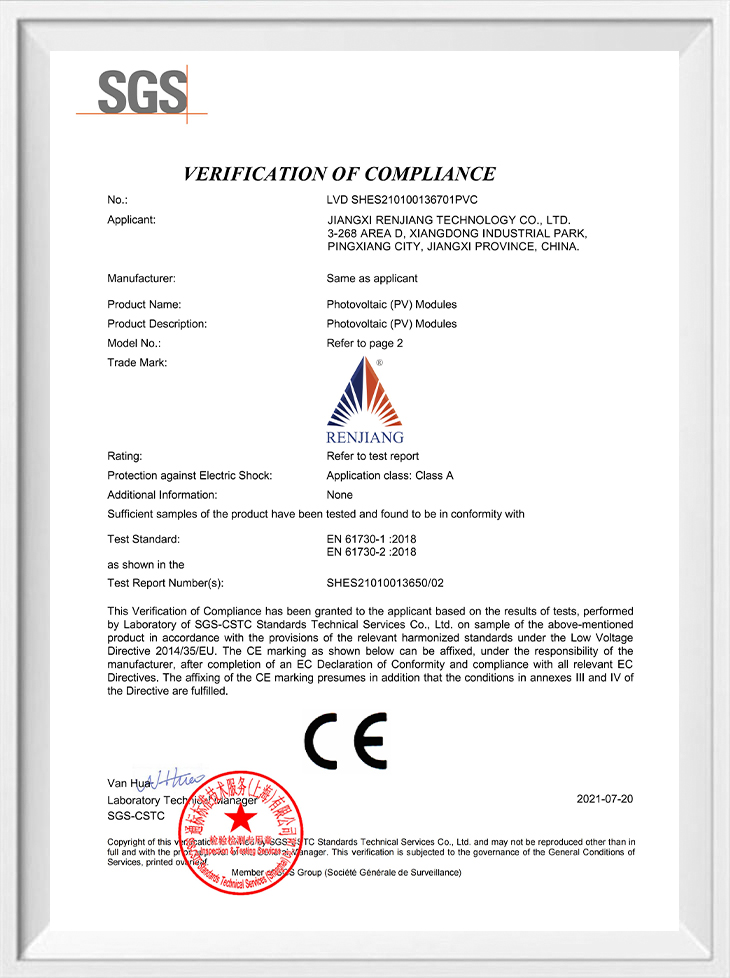
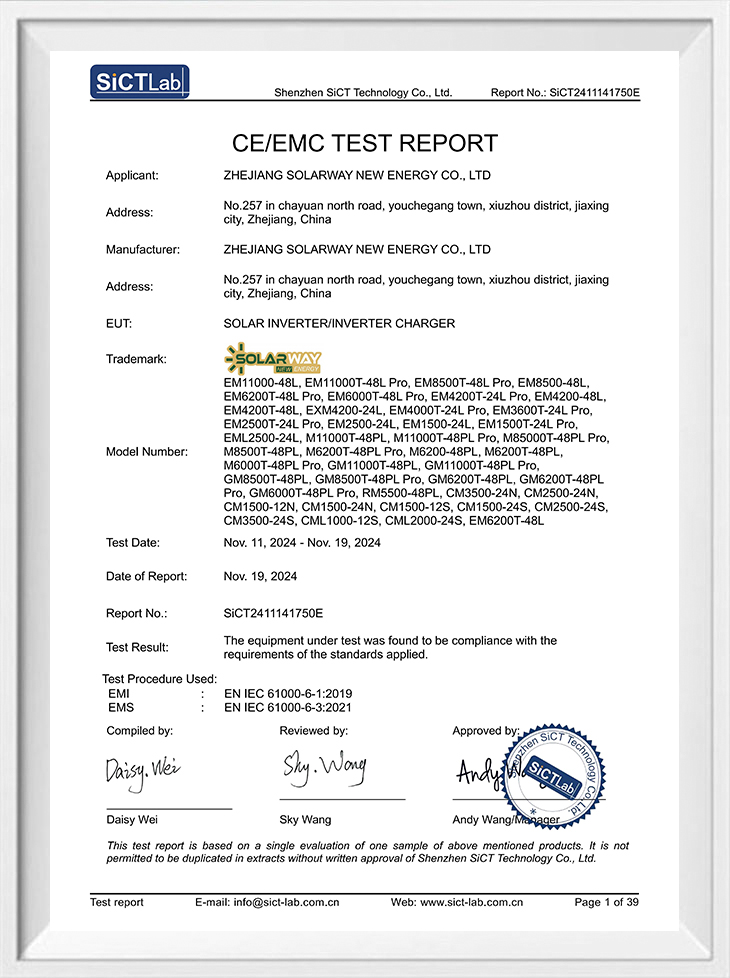
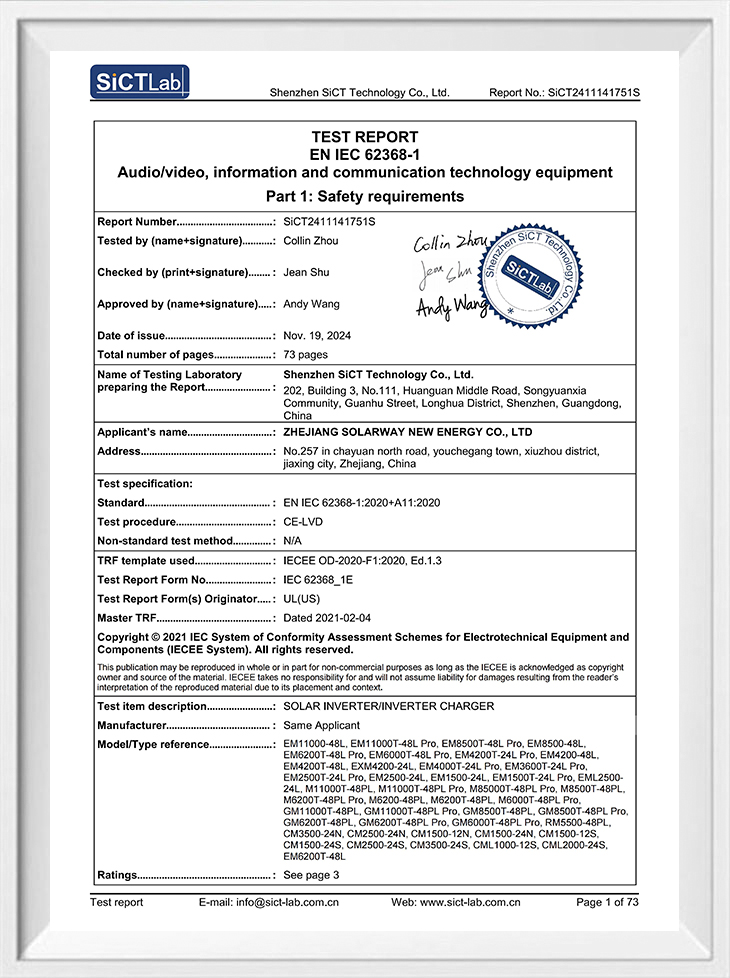
Our Updates
Overview of Rack-Mount Lithium Battery Systems
A Rack-Mount Lithium Battery is a lithium-ion energy storage unit specifically engineered for standardized rack installation. This type of battery system is widely applied in modern energy storage projects due to its structured design, space efficiency, and ease of system integration. By aligning with standard rack formats, rack-mount lithium batteries allow energy storage to be deployed in an organized, scalable, and professional manner.
Within Battery Energy Storage System architectures, rack-mount lithium batteries serve as modular building blocks. They support both centralized and distributed energy storage configurations, making them suitable for residential, commercial, and light industrial environments where flexible capacity planning is required.
Modular Structure and Installation Benefits
Rack-mount lithium batteries are typically designed to fit standard 19-inch racks, enabling rapid installation and efficient use of cabinet space. This modular structure simplifies deployment while allowing future system expansion without major structural changes.
- Standardized rack dimensions supporting fast installation and organized system layout
- Modular capacity design allowing batteries to be added or removed based on energy demand
- Reduced deployment time and optimized use of installation space
- Simplified system maintenance through front-access rack configuration
These installation advantages make rack-mount lithium batteries well suited for projects that require orderly system expansion and efficient energy storage management.
Energy Density and Lifecycle Performance
Rack-mount lithium batteries are valued for their high energy density, allowing substantial energy storage within limited physical space. This characteristic is particularly important in data rooms, energy storage cabinets, and technical rooms where installation area is constrained.
| Energy Density | Enables high-capacity energy storage within compact rack systems |
| Cycle Life | Supports long-term operation with deep charge and discharge cycles |
| Service Life | Designed for extended operational lifespan, reducing replacement frequency |
| Operating Cost | Lower long-term cost through durability and stable performance |
With long cycle capability and stable electrochemical characteristics, rack-mount lithium batteries contribute to predictable energy storage performance over many years of operation.
Intelligent BMS and System Safety
An integrated Battery Management System is a core component of rack-mount lithium battery solutions. The BMS continuously monitors key operating parameters, supporting safe and controlled energy storage operation under varying load and environmental conditions.
- Real-time monitoring of voltage, current, temperature, and system status
- Protection against overcharge, over-discharge, overcurrent, and short circuits
- Enhanced operational safety through coordinated cell-level management
These protection mechanisms help maintain system stability and support long-term reliability across different energy storage applications.
Application Scenarios and System Compatibility
Rack-mount lithium batteries are designed for broad system compatibility, enabling seamless integration with solar inverters, UPS systems, and energy management platforms. Their structured format supports a wide range of energy storage use cases.
- Household energy storage systems supporting solar self-consumption
- Small industrial and commercial energy storage projects
- Data centers requiring stable backup power supply
- Energy management applications such as peak-valley electricity price optimization
These scenarios highlight the role of rack-mount lithium batteries as reliable energy storage units within modern power systems.
APsolway Development Focus on Rack-Mount Lithium Batteries
APsolway develops rack-mount lithium battery solutions as part of its integrated energy storage product line, emphasizing modular design, system safety, and long-term operational stability. By aligning battery architecture with standard rack systems, APsolway supports flexible deployment and scalable capacity planning for diverse energy storage projects.
Through continuous optimization of battery management technology and system compatibility, APsolway rack-mount lithium batteries support solar energy storage, backup power supply, and intelligent energy management, contributing to stable and efficient utilization of renewable energy.
- Mp: +86-13819379269 / 15726870289
- Tel: +86-573-83705988
- Fax: +86-573-83705966
- E-mail: [email protected]
- Add: 10th Floor, Haizhou Star, Xiuzhou District, Jiaxing City, Zhejiang, China 314000
 Privacy
Wholesale Rack-Mount Lithium Battery Factory
Privacy
Wholesale Rack-Mount Lithium Battery Factory