
 EN
EN English
 Español
 عربى
عربى


Best Practices for Selecting and Installing Off Grid Solar Inverters for Reliable Independent Power Systems
Content
- 1 Understanding Off Grid Solar Inverters
- 2 Key Components of an Off Grid Solar System
- 3 Off Grid vs Hybrid Inverters: What’s the Difference?
- 4 Core Technical Specifications to Evaluate
- 5 Sizing Your Off Grid Solar Inverter Correctly
- 6 Installation Considerations for Off Grid Inverters
- 7 Maintenance and Troubleshooting
- 8 Selecting Vendors and Accessories
- 9 Conclusion: Building a Reliable Off Grid Power System
Understanding Off Grid Solar Inverters
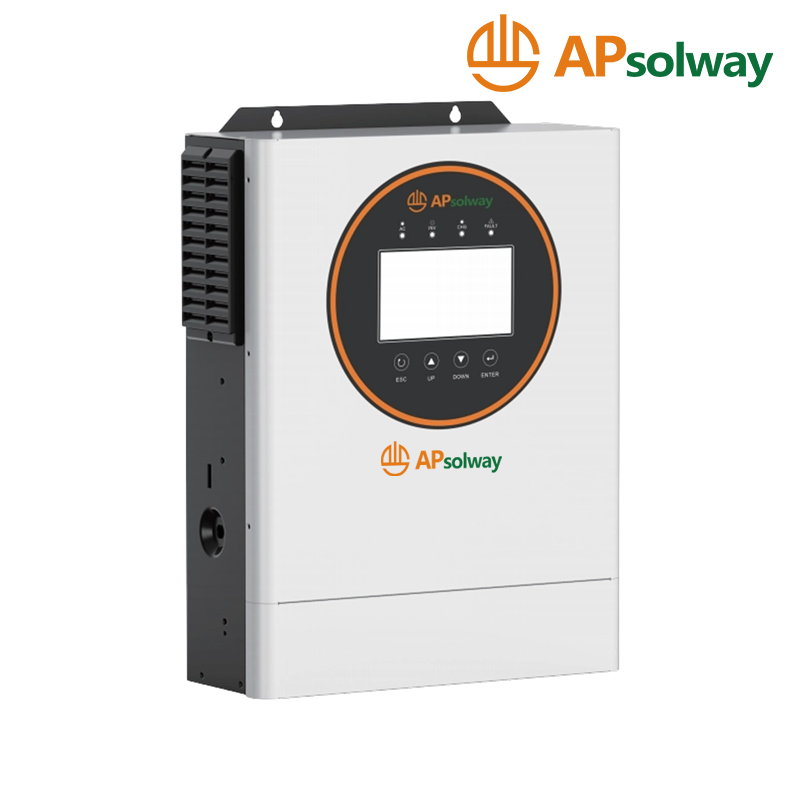
Off grid solar inverters are the central components in systems that are completely disconnected from utility power. Unlike grid‑tied inverters that only convert DC power from solar panels to AC for export to the grid, off grid inverters must manage energy conversion, battery charging, and load distribution independently. For users who need true energy independence—such as rural homes, cabins, and remote commercial installations—choosing the right off grid inverter is critical for reliability, efficiency, and long‑term performance.
Key Components of an Off Grid Solar System
Before focusing on inverters, it’s important to understand the broader system architecture. An off grid solar system is an integrated assembly of:
- Solar PV modules (solar panels) that capture sunlight and produce DC electricity.
- Battery storage banks (lithium‑ion, AGM, gel) to store energy for nighttime or overcast periods.
- Off grid solar inverters that convert stored DC into usable AC power for appliances.
- Charge controllers (MPPT or PWM) that optimize the energy flow from panels to batteries.
- Optional backup generators or hybrid systems for extended autonomy.
Off Grid vs Hybrid Inverters: What’s the Difference?
A common point of confusion is the difference between off grid inverters and hybrid inverters. Both types can operate independently of the grid, but they serve slightly different needs:
Off Grid Inverters
These inverters are designed to function in entirely standalone systems. They often include built‑in battery management, AC load output, and protections against over‑discharge, overload, and short circuits. Pure off grid inverters are ideal where grid power is unavailable or unreliable.
Hybrid Off Grid Inverters
Hybrid inverters offer additional flexibility by allowing optional grid connection or integration with other power sources such as diesel generators. This makes them a popular choice for systems that may occasionally use grid power as a backup or need advanced energy management features.
Core Technical Specifications to Evaluate
When comparing off grid solar inverters, several specifications determine performance and suitability. A clear understanding of these metrics ensures that the inverter matches both energy supply and load demands:
Rated Power (W / kW)
The rated power defines the continuous output the inverter can supply. It should exceed the sum of all critical loads to avoid overload trips. For example, a system with combined heavy appliances (freezer, well pump, HVAC) may require a 5 kW or larger inverter.
Surge Capacity
Many appliances draw a higher startup current than their running current (motors, pumps, refrigerators). A robust off grid inverter must offer sufficient surge capacity (often 2–3× rated power) to handle brief inrushes without shutting down.
Battery Voltage Compatibility
Inverters are designed to operate with specific battery voltage banks (12 V, 24 V, 48 V, etc.). Higher voltage systems are generally more efficient and suitable for larger power requirements. Ensure the inverter matches your planned battery configuration.
Waveform Quality: Pure Sine vs Modified Sine
Pure sine wave inverters produce clean AC power comparable to utility electricity, which is essential for sensitive electronics, medical equipment, and modern appliances. Modified sine inverters are cheaper but can cause issues such as noise, overheating, or reduced performance in certain devices.
Efficiency Ratings
Total system efficiency affects how much usable AC power you get from stored DC. Higher efficiency means less wasted energy and longer battery life. Look for inverters with conversion efficiencies above 90 % for optimal performance.
Sizing Your Off Grid Solar Inverter Correctly
Proper sizing is not just about peak load; it’s a balance between daily energy consumption, peak demands, battery capacity, and future expansion. A systematic approach includes:
- Calculating average daily load (in kWh) based on appliance usage patterns.
- Listing peak load requirements to determine minimum rated inverter power.
- Considering surge loads when motors or compressors start.
- Matching battery system capacity and voltage to inverter requirements.
- Assessing energy autonomy needs (days of storage without solar input).
A table can clarify the relationship between system size and typical applications:
| Inverter Size | Typical Loads |
| 1–2 kW | Lighting, small appliances, laptops |
| 3–5 kW | Refrigerator, TV, well pump |
| 5–10 kW+ | Whole house systems, HVAC loads |
Installation Considerations for Off Grid Inverters
Installing an off grid solar inverter is more complex than a plug‑and‑play grid‑tied setup. Key considerations include:
Site Layout and Wiring
Proper layout minimizes energy losses and ensures safety. Batteries should be placed close to the inverter to reduce DC cable length (and voltage drop), while solar panel arrays should be positioned for maximum sun exposure. All wiring must meet local electrical codes with appropriate fuses and disconnects.
Battery Bank Integration
Battery systems must be sized and configured correctly to match the inverter’s voltage and current ratings. Overcharging or deep discharging can significantly reduce battery life. Smart battery management systems (BMS) and appropriately rated charge controllers (preferably MPPT type) protect both batteries and inverters.
Environmental Conditions
Off grid inverters and batteries should be installed in locations that are dry, ventilated, and within manufacturer‑specified temperature ranges. Extreme heat accelerates thermal degradation, while cold can reduce battery capacity and inverter performance. Ventilation or climate control may be required in enclosed spaces.
Maintenance and Troubleshooting
Regular maintenance extends system life and prevents costly downtime. A basic checklist for off grid inverter systems includes:
- Inspecting connections for corrosion, loose terminals, and wear.
- Monitoring battery health, electrolyte levels (if applicable), and charge cycles.
- Checking inverter error logs and performance data regularly.
- Ensuring cooling fans and heat sinks are free of dust and obstructions.
- Verifying that solar panels are clean and producing expected output.
Common issues with off grid inverters include low battery voltage errors, overload trips, and communication faults with the charge controller or battery management system. Many modern inverters provide LCD or remote monitoring interfaces that make diagnostics straightforward. If persistent errors occur, consult the inverter manufacturer’s technical documentation or support services.
Selecting Vendors and Accessories
Choosing a reputable vendor and compatible accessories ensures that your off grid solar inverter performs as expected. Look for manufacturers that offer:
- Comprehensive warranties and local support networks.
- Inverter models with built‑in protections and firmware updates.
- Compatible charge controllers and smart battery systems.
- Clear documentation for installation and maintenance.
For users considering advanced capabilities, inverters with remote monitoring platforms allow real‑time performance tracking via smartphone or web portals. These systems can alert you to voltage fluctuations, temperature extremes, and other conditions that require attention.
Conclusion: Building a Reliable Off Grid Power System
Off grid solar inverters are indispensable for achieving true energy independence. Making the right choice involves understanding your power needs, sizing your system appropriately, and selecting components that work harmoniously. Whether you’re powering a remote cabin, a tiny home, or an off grid commercial installation, a well‑designed inverter system enhances reliability, reduces operating costs, and provides peace of mind. With careful planning, quality components, and proper maintenance, your off grid power system can deliver years of dependable performance.
- Mp: +86-13819379269 / 15726870289
- Tel: +86-573-83705988
- Fax: +86-573-83705966
- E-mail: [email protected]
- Add: 10th Floor, Haizhou Star, Xiuzhou District, Jiaxing City, Zhejiang, China 314000
 Privacy
Solar Inverters Manufacturers
Privacy
Solar Inverters Manufacturers